ChatGPT Interpreting Your Sleep Data
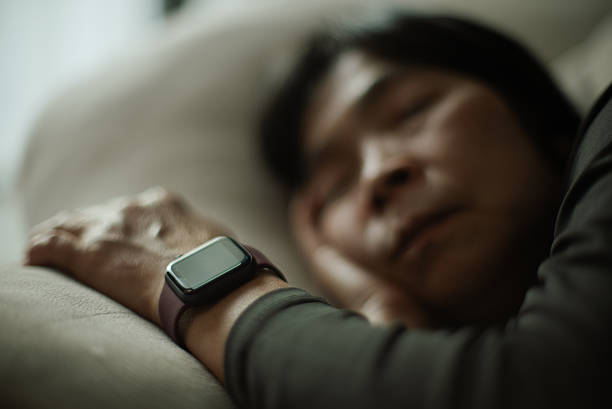
Wearables have come a long way from simple step counters. Today’s devices—like the Oura Ring, Fitbit, Apple Watch, and Whoop band—track heart rate variability, breathing patterns, body temperature, and movement. They can tell you when you entered light sleep versus deep sleep, and how many times you woke up during the night. But the problem isn’t collecting data; it’s understanding it. Two people with identical “85 sleep scores” may need completely different adjustments. One might need earlier bedtimes, while the other needs to lower room temperature. That’s where ChatGPT steps in.
When you connect your wearable data to an AI like ChatGPT, you’re no longer staring at a dashboard of numbers. Instead, you can ask simple questions in plain English. “Why did I wake up at 3 a.m. last night?” or “How does my afternoon coffee affect my deep sleep?” The AI analyzes patterns across weeks—not just one night—and gives you explanations grounded in sleep science. For example, it might notice that your heart rate variability drops on days when you eat dinner after 8 p.m., and suggest a lighter evening meal. This isn’t guesswork; it’s personalized coaching based on your actual physiology.
The beauty of AI-powered interpretation is that it speaks your language. It doesn’t throw medical jargon at you. Instead, it says, “It looks like your restlessness peaks around 4 a.m. on days you work out late. Try finishing exercise at least two hours before bed and see if that changes your pattern.” This is the kind of friendly, straightforward advice that helps an average American adult actually improve sleep, rather than just collect data and feel anxious about a low score.
Of course, wearables aren’t perfect. They measure surrogate markers, not brain waves. But for practical, everyday sleep optimization, they are remarkably useful. ChatGPT can help you understand the limitations too. If your device says you got seven hours of sleep but you feel exhausted, the AI can suggest checking your sleep environment—maybe your pillow is too flat or your room is too warm. It can cross-reference your sleep data with external factors like weather, stress logs, or even your menstrual cycle if you track it. This kind of holistic view is something a generic sleep tracker can’t provide.
One of the biggest obstacles to better sleep is that we often don’t know what we don’t know. You might think you’re a “short sleeper” who functions fine on six hours, but your wearable data might show that your REM cycles are being cut short, leaving you mentally foggy. ChatGPT can point out that your sleep consistency—going to bed at wildly different times—is undermining your circadian rhythm more than the total hours you log. That’s the kind of insight that leads to real change: not just “sleep more,” but “go to bed at 10:30 p.m. consistently, even on weekends.”
For SleepGoals, the ultimate aim is to help you achieve restorative sleep that leaves you energized and healthy. A personalized AI sleep coach takes the guesswork out of your wearable’s data. It acts like a knowledgeable friend who reviews your nightly report and says, “You’re doing great with your pre-bed routine, but try dimming the lights an hour earlier.” Or “Your deep sleep is low; check if your room is too bright or your mattress is too soft.” These tailored suggestions save you from chasing random sleep hacks you found online. Instead, you get a plan built around your unique sleep signature.
There is also a significant advantage for people with chronic sleep issues. If your wearable shows persistent low heart rate variability or frequent awakenings, ChatGPT can help you see trends over months, not just nights. It can flag when your patterns shift in a concerning way—like a sudden drop in sleep duration after a stressful life event—and suggest when it might be time to consult a doctor. This is not a replacement for professional medical advice, but it is a powerful early warning system and a practical guide for daily improvement.
The future of sleep optimization lies in this fusion of wearable tech and AI interpretation. Instead of competing with your device, you finally understand it. Instead of feeling frustrated by a low score, you get a clear path forward. For American adults juggling work, family, and endless distractions, this simplicity is a game-changer. Your sleep data is not just a report card; it’s the starting point for a conversation with an AI coach that knows you better than any app ever could.
So next time you check your wearable’s morning summary, don’t just glance at the number. Open ChatGPT, paste your data, and ask: “What can I do better tonight?” You might be surprised how much a friendly, data-savvy coach can transform your nights—and your days.
Dream Blog
Real sleep talk for real people.


Melatonin Is Not a Sleeping Pill: It’s Your Brain’s Signal That It’s Night
Chilipads Versus Oolers Versus Eight Sleep