Deep Slow Wave The Body Repairman
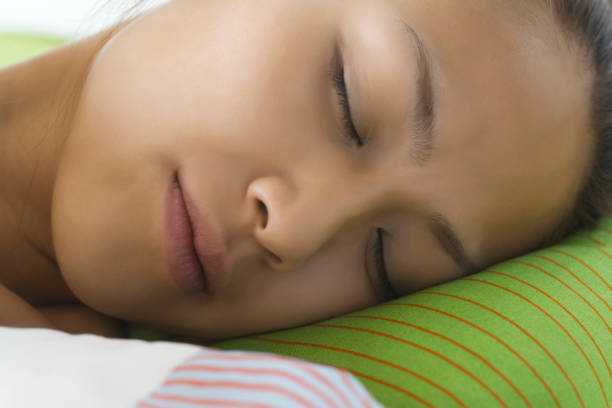
Deep slow wave sleep, also called stage three non-rapid eye movement sleep, is the phase when your brain waves slow to a steady, rhythmical pulse. Think of it as your brain’s nightly housekeeping shift. During this stage, your body releases human growth hormone, which is essential for repairing tissues, building muscle, and strengthening bones. Your immune system gets a major boost, and your brain begins sorting through the day’s memories, deciding what to keep and what to discard. Without enough of this phase, you aren’t just groggy. You are missing the primary window for physical restoration.
But here is the catch: deep slow wave sleep is the most fragile part of your sleep cycle. It tends to happen most in the first half of the night, and it gets shorter as you age. A thirty-year-old might spend around twenty percent of their night in deep sleep, while a sixty-year-old may get only five to ten percent. This is why older adults often feel they sleep lighter, even if they spend enough hours in bed. The repairman simply doesn’t clock as many hours.
What can you do to protect and encourage this vital stage? First, temperature matters. Your body needs to cool down to enter deep sleep, so a bedroom around sixty-five degrees Fahrenheit is ideal. If you tend to overheat, consider cooling sheets or a mattress designed to wick away heat. Even a few degrees can make the difference between slipping into deep sleep and hovering in lighter stages all night.
Next, consistency is your best friend. Your body operates on a circadian rhythm, and going to bed and waking at the same time every day trains your brain to transition smoothly into deeper cycles. That means weekends, too. It may not be fun, but your repairman loves routine.
Alcohol is a notorious deep-sleep thief. While a nightcap might help you fall asleep faster, it suppresses slow wave activity and fragments your sleep later in the night. The same goes for heavy meals close to bedtime. Your digestive system competes with your sleep drive, and the repairman doesn’t work well when he’s distracted.
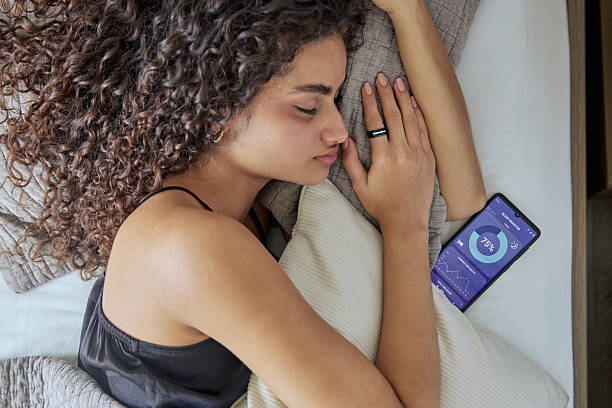
If you are struggling to tell whether you are getting enough deep sleep, wearables can help. Most modern sleep trackers estimate time spent in slow wave sleep based on heart rate and movement patterns. They aren’t perfect, but they give you a useful benchmark. If you consistently see less than an hour of deep sleep per night, it might be time to address your sleep hygiene or have a conversation with a doctor about underlying issues like sleep apnea.
The future of sleep science is bright. Researchers are exploring ways to enhance slow wave activity through gentle sound stimulation, known as pink noise, and even via targeted electrical pulses that coax your brain into deeper states. Some mattresses and pillows are being designed with materials that better support spinal alignment, which can prevent micro-awakenings that steal deep sleep minutes. As wearable technology improves, we will likely see more personalized recommendations for exactly how to maximize your own repair cycles.
Remember, deep slow wave sleep is not a luxury. It is a biological necessity. When you prioritize this stage, you are giving your body permission to heal, your immune system to recharge, and your brain to file away the day’s experiences. At SleepGoals, we believe that understanding your sleep cycles is the first step toward feeling truly rested. So tonight, set the thermostat, put down the glass of wine, and give your internal repairman the time he needs to do his best work.
Dream Blog
Real sleep talk for real people.

Alexa Sleep Sounds Routines Programmed

Prostate Enlargement and Male Sleep Loss