How Caffeine Blocks Your Adenosine Receptors
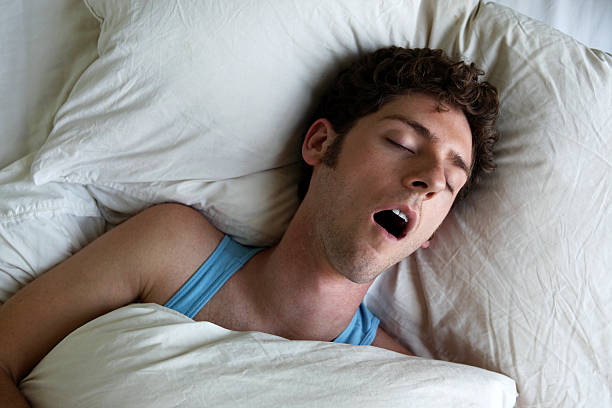
Adenosine is the body’s natural sleep signal. Think of it as your internal “time to wind down” chemical. As you go through your day, adenosine gradually builds up in your brain. The longer you stay awake, the more adenosine accumulates. This buildup is what creates that familiar sensation we call sleep pressure—the feeling that your eyelids are getting heavier and your thoughts are getting foggier. By the time bedtime rolls around, adenosine levels are high, and your brain knows it’s time to rest.
Here’s where caffeine enters the picture. Caffeine has a molecular shape that is almost identical to adenosine. It acts like a counterfeit key that fits perfectly into the locks—the adenosine receptors—on your brain cells. When you drink coffee, tea, or soda, caffeine rushes to those receptors and parks itself there. The problem is that caffeine doesn’t trigger the usual sleepy response that adenosine would. It just blocks the spot, preventing the real adenosine from docking. Your brain still has high levels of adenosine floating around, but the receptors are occupied by caffeine, so your brain never gets the “time to sleep” signal. That’s why you feel alert, focused, and energetic for a few hours after your morning cup.
But here’s the twist. That adenosine doesn’t go away. It just waits. When the caffeine finally wears off and detaches from the receptors, all that backlogged adenosine floods in at once. This is why you can crash hard in the afternoon or feel suddenly exhausted after your afternoon coffee wears off. Your brain is getting a delayed delivery of all the sleep pressure it should have been processing throughout the day.
The half-life of caffeine in most adults is about five to six hours. Half-life means how long it takes your body to remove half of the caffeine from your system. If you drink a large coffee at 4:00 PM, by 10:00 PM you still have roughly half of that caffeine cruising around in your bloodstream, still blocking receptors. That is why many sleep experts recommend cutting off caffeine by noon or early afternoon. Even if you feel like you fall asleep fine, the caffeine lingering in your system can reduce the quality of your deep sleep, especially the restorative slow-wave sleep that your body needs for physical repair and memory consolidation.
The adenosine system is one of the key players in the section of SleepGoals we call “Hormones That Control Your Night.” Just like melatonin signals the arrival of darkness, adenosine is the chemical timer that tracks how long you have been awake. When you consistently consume caffeine late in the day, you are essentially overriding that timer. Over time, this can lead to a cycle where you rely on caffeine to feel awake, but your sleep becomes lighter and less refreshing, so you need more caffeine the next day.
The good news is that you can work with your adenosine system instead of against it. Start your morning with water and maybe a small amount of caffeine if you need it. Keep your total caffeine intake moderate—around 200 to 400 milligrams per day for most healthy adults, which is roughly two to four cups of coffee. And respect your internal clock by stopping caffeine at least eight to ten hours before you plan to sleep. If you are someone who struggles with falling asleep or staying asleep, try a caffeine-free afternoon routine for a week and see how your body responds. You might be surprised at how much more naturally your sleep drive builds up and how much deeper your rest becomes.
At the end of the day, caffeine is not the enemy. It is a useful tool when used wisely. But when it comes to the science of sleep, nothing beats the natural rhythm of your own biology. Your adenosine receptors are listening. They are waiting for the signal to let you rest. Give them that chance, and your body will reward you with the kind of sleep that leaves you waking up ready for the day ahead—without needing the caffeine crutch to get started.
Dream Blog
Real sleep talk for real people.


Sunrise Viewing to Set Your Clock
Mouth Taping and Myofunctional Therapy: A Natural Duo for Better Sleep