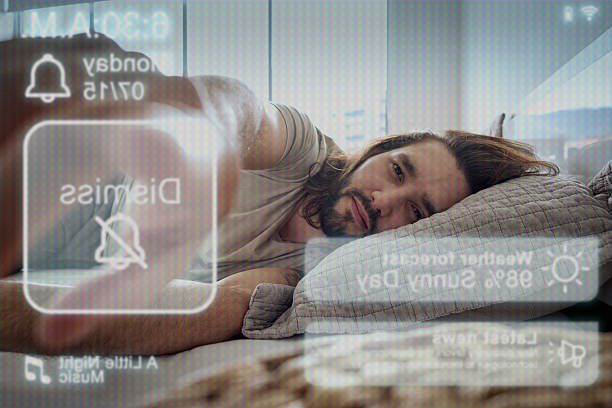
How AI-Powered Dynamic Bed Surfaces Are Redefining Rest

At its core, a dynamic bed surface is a mattress that can change its physical properties in real time. Using embedded sensors, it tracks everything from your heart rate and breathing to your movement and even the subtle shifts in your body temperature. But what makes it truly “AI-powered” is the learning layer on top. The mattress doesn’t just react to your movements like a simple air bladder bed might. It studies your sleep patterns over weeks and months, then anticipates what your body needs at each stage of the night. When you first drift off, the surface may stay softly conforming to help you relax. As you enter deep sleep, it might gradually firm up to support your spine and reduce pressure points that cause micro-awakenings. And when you’re about to wake, it could gently elevate your head to make the transition out of bed feel more natural.
For most American adults, the appeal here isn’t just novelty—it’s genuine relief. Chronic back pain, restless legs, and night sweats are among the most common reasons people sleep poorly. A traditional mattress is a static compromise. It’s either too firm for your side sleeping or too soft for your back, and it certainly can’t fix the fact that your partner runs hot while you sleep cold. Dynamic surfaces cut through that compromise. They can independently adjust temperature zones left and right, so two people sharing a bed can each get their ideal microclimate. One side might be actively cooled with water circulating through thin tubes, while the other gently warms to help soothe muscles. That kind of personalized comfort goes far beyond picking a “medium firm” mattress off a showroom floor.
But the true magic happens when the AI begins to correlate your sleep data with how you feel the next day. Over time, the bed learns that when you sleep on your left side with a slightly elevated foot section, you wake up with less stiffness in your lower back. It might also notice that a certain combination of temperature and firmness helps you spend more time in slow-wave sleep, the deepest and most restorative stage. Then it starts making those adjustments automatically, without you ever noticing the change. You simply wake up feeling more refreshed, and you cannot exactly say why. That’s the goal of this technology: to let your bed work in the background the way a good personal trainer works with your body—except this trainer never sleeps.
Of course, there are real questions that come with this level of intelligence. Many American adults worry about privacy. A bed that knows your breathing rate, your heart rhythm, and the number of times you roll over each night is collecting highly sensitive health data. Who owns that information? Is it stored on the cloud? Could a life insurance company get access to it? These are legitimate concerns, and the industry is still figuring out the right answers. The good news is that many manufacturers are beginning to offer local processing, where the AI runs on a chip inside the mattress itself, and you decide if and when any data leaves your home. The other big hurdle is cost. These smart surfaces are not cheap, often running into the thousands of dollars, making them out of reach for many families. But the same was true for early smartphones, flat-screen TVs, and even memory foam mattresses when they first hit the market. As technology improves and competition heats up, prices will come down.
What’s exciting is not just the gadget appeal but the philosophy behind it. For too long, we treated sleep as a passive activity. You lie down, close your eyes, and hope for the best. A dynamic bed surface treats sleep as something active, responsive, and deeply personal. It acknowledges that your body is not a static object and that your comfort needs change from hour to hour, from night to night, and from year to year. As we learn more about sleep science, it becomes clear that one-size-fits-all solutions were never really fitting anyone that well. The future of sleep is not a fancier pillow or a firmer mattress. It’s an intelligent surface that listens to your body and responds in kind, helping you wake up feeling like the best version of yourself. And that is a future worth waiting for, one restful night at a time.
Dream Blog
Real sleep talk for real people.


Personal Microclimate Zones in King Beds

tACS Phase-Locked to Slow Waves