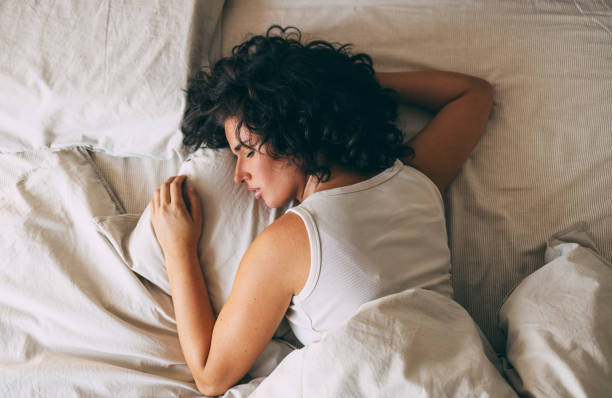
Chronotypes The Lion Bear Wolf Dolphin
The chronotype model, popularized by sleep psychologist Dr. Michael Breus, simplifies the complex science of sleep into four animal profiles. Think of it as a personality test for your internal clock. The Lion represents the early riser, the Bear is the synchronized majority, the Wolf is the night owl, and the Dolphin reflects those with erratic, often light sleep patterns. Your chronotype is largely genetic, influenced by your PER3 gene variants, but it can shift slightly with age, light exposure, and lifestyle habits. The goal here at SleepGoals is not to force you into a different animal, but to help you work with your natural rhythm so you can get the best sleep possible.
Lions represent about fifteen percent of the population. These are the people who wake up naturally around 5 or 6 AM, feel sharp and motivated in the morning, and tend to crash by early evening. Their cortisol spikes early, which is why they’re ready to tackle a to-do list while the rest of the house is still snoozing. The challenge for Lions is that evening social events or late work deadlines can disrupt their natural winding-down process. If you’re a Lion, your goal is to protect your bedtime window—generally between 9 and 10 PM—and use your peak morning hours for the most demanding tasks. Exposure to bright morning sunlight reinforces your early rhythm, while dimming lights in the afternoon helps you ease into rest.
On the other hand, Bears make up the largest group—about fifty-five percent of people. Your internal clock roughly follows the sun: you wake up around 7 AM, feel a midday energy dip, and are ready for sleep by 11 PM. Sound familiar? Bears are the “average” chronotype, but that doesn’t mean they always get perfect sleep. Their biggest struggle is the afternoon slump, often mistaken for needing caffeine when a short nap or a walk outside would be more effective. For Bears, consistency is king. Going to bed and waking up at the same time every day—even on weekends—stabilizes your master clock. Also, be mindful of blue light from phones or laptops in the two hours before bed, as it tricks your brain into thinking it’s still daytime.
Wolves are the night owls, comprising about fifteen percent of adults. Your energy peaks in the evening, and you feel more creative, focused, and productive after dark. Morning alarms feel almost painful because your body naturally wants to sleep until 8 or 9 AM and go to bed around midnight or later. This can clash with a nine-to-five work schedule, leading to a condition called “social jetlag”—where your biological clock is always out of sync with the demands of society. Wolves often struggle with chronic sleep deprivation because they force themselves to wake early but can’t fall asleep earlier on command. The science of sleep shows that trying to force a Wolf into a Lion schedule rarely works. Instead, we recommend optimizing your evening routine: avoid caffeine after 2 PM, use blackout curtains to prevent early morning light from disturbing your sleep, and try a gradual wind-down with low lighting starting around 10 PM.
Finally, there are Dolphins, who make up about ten percent of people. If you are a Dolphin, you likely have a light, easily disrupted sleep and feel most alert late at night. You might even have trouble falling asleep at all, lying awake for hours with a racing mind. Dolphins often suffer from anxiety or insomnia because their internal clock is more unpredictable. Your body’s temperature and melatonin rhythms don’t follow a clear pattern. The key for Dolphins is not to fight your nature but to build a highly structured sleep environment. Keep your bedroom cool, dark, and quiet. You may also benefit from cognitive behavioral techniques, like journaling before bed to empty your mind, and avoiding naps that further confuse your clock. Consistency in waking time is more important than what time you fall asleep.
So how do you find your chronotype? Ask yourself three questions: What time do you naturally wake up on a day with no alarms? When do you feel most mentally sharp? And when does your body feel physically tired at night? Your answers will guide you toward your animal profile. Once you know it, you can tailor your schedule for better sleep, weight management, mood, and even heart health. For example, exercising at your peak time—morning for Lions, evening for Wolves—boosts performance and recovery. Eating meals at consistent times also syncs your digestion with your master clock, reducing the risk of metabolic issues.
At SleepGoals, we believe that when you align your life with your internal master clock, sleep becomes less of a battle and more of a natural, restorative rhythm. You don’t need to be a perfect sleeper overnight. Start small: adjust your wake-up time by fifteen minutes, dim your lights an hour earlier, or plan your most difficult work for your natural peak period. Your animal instinct already knows the way. All you have to do is listen.
Dream Blog
Real sleep talk for real people.

Closed-Loop Auditory Stimulation In Pillows
Why Your Mattress Sags (and How to Prevent It Before It Starts)