Fire Light and Ancient Bedtimes
For most of human existence, the sun dictated when people woke and when they rested. As daylight faded, our ancestors gathered around the hearth, the only reliable source of light after dark. But here’s the key: fire light is warm, flickering, and low in blue wavelengths. Unlike the harsh, blue-rich light from modern screens and LED bulbs, the amber glow of a flame signals to your brain that the day is ending. This triggers the release of melatonin, the hormone that prepares your body for sleep. In other words, fire light actually helped our ancestors wind down naturally, even though they were still awake and active for hours after sunset.
Anthropologists have studied pre-industrial societies and found that most people did not go to bed immediately after dark. Instead, they enjoyed what researchers call “segmented sleep.” After the evening meal, families would gather around the fire, telling stories, repairing tools, or simply relaxing. This period of low-light activity, often lasting two to four hours, allowed the body to gradually shift into a restful state. Then, once the fire died down and the darkness deepened, people would retire to sleep for four or five hours. They would wake briefly in the middle of the night—sometimes for an hour—before settling back into a second sleep until dawn. This pattern, known as biphasic sleep, was normal for centuries and only disappeared with the advent of artificial lighting.
So why does this matter for you today? The modern world bombards your eyes with blue light from phones, tablets, computers, and even energy-efficient light bulbs long after the sun goes down. This blue light suppresses melatonin production, tricking your brain into thinking it’s still daytime. The result is delayed sleep onset, fragmented rest, and a lingering feeling of fatigue. You may be trying to force yourself into a monophasic sleep schedule—one long block of sleep—but your biology may still be wired for the ancestral rhythm of fire-lit evenings and segmented nights.
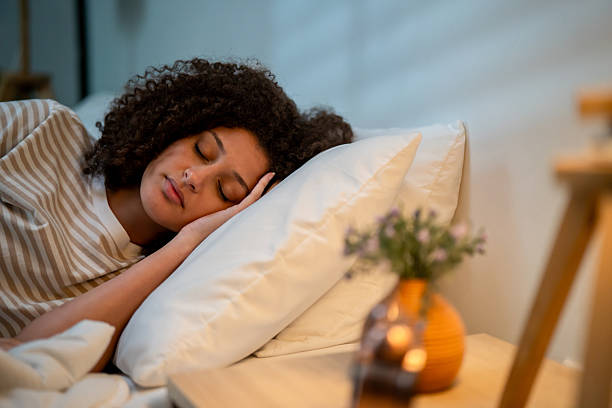
You don’t need to move off the grid to benefit from this science. Start by mimicking the fire-light environment in your own home. An hour before bedtime, dim your overhead lights and switch to warm-toned lamps or salt lamps. Better yet, use real candles or a fireplace if you have one. The gentle flicker and low color temperature will cue your brain to begin melatonin production. At the same time, turn off all screens or use blue-light blocking glasses if you must look at a device. Your goal is to recreate that ancient transition zone between day and night.
Consider also embracing the idea of a “first sleep” and “second sleep” if you find yourself waking naturally after a few hours. Instead of lying there frustrated, get up for a short while. Read a book by candlelight, journal, or do some gentle stretching. Many people find that this quiet interlude feels surprisingly restorative, and returning to sleep comes easily. You are not broken if you wake in the night—you may simply be following your ancestral programming.
Finally, remember that the science of sleep is not about perfection. It is about understanding your body’s deep-rooted needs and working with them, not against them. By honoring the ancient relationship between fire light and bedtime, you can quiet the noise of modern life and rediscover the natural rhythm that helped your ancestors rest soundly for millennia. Tonight, try turning down the lights, lighting a candle, and letting your body remember what sleep is supposed to feel like.
Dream Blog
Real sleep talk for real people.

Adjustable Bed Split King Setup
How CBD and CBN Influence Your Sleep Stages