Google Nest Hub Sleep Sensing
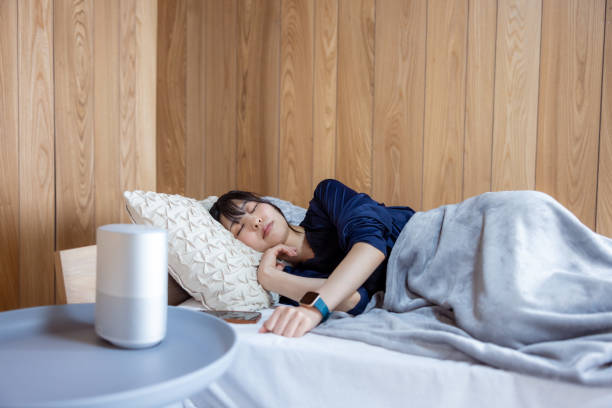
The core technology behind Sleep Sensing is a low-energy radar sensor called Soli, which is built into the second-generation Google Nest Hub. This radar can detect tiny movements, like the rise and fall of your chest as you breathe, without using a camera. That is a big deal for privacy because no video is ever recorded or stored. Instead, the radar creates a silent, invisible map of your motion throughout the night. The system also uses the device’s microphone to pick up sounds like snoring, coughing, or sleep talking, though it only processes these sounds locally on the device and does not send audio recordings to the cloud unless you specifically choose to save snippets. The result is a nightly report that includes your total sleep time, time spent in bed, how often you woke up, your sleep stages (light, deep, and REM), and even your breathing rate and cough or snore events.
For anyone new to sleep monitoring, the Google Nest Hub makes the experience feel less clinical and more like a helpful morning summary. When you wake up, you can say, “Hey Google, how did I sleep?” and the screen will show you a simple breakdown of your night. Over time, the device also provides personalized suggestions based on your patterns. For example, if it notices that you consistently get less deep sleep when your bedtime varies by more than an hour, it might gently suggest setting a more consistent sleep schedule. It also offers a “Sleep Score” from zero to one hundred, which gives you a quick snapshot of how your night went compared to your own baseline. This is helpful because it takes the guesswork out of interpreting raw data—a score in the eighties or nineties generally means you had a solid night, while a lower score might prompt you to consider what disrupted you.
One of the most practical advantages of a non-wearable monitor like the Nest Hub is that it removes the friction of remembering to charge or wear a device. You simply set the hub on your nightstand, make sure it is plugged in, and go about your normal bedtime routine. The radar works through light blankets and sheets, so you do not need to position yourself perfectly. It also integrates with other smart home features, like dimming the lights or playing white noise, which can directly improve your sleep environment. If you use Google Fit or partner apps, the sleep data can sync with your daytime activity and heart rate information from a wearable, giving you a more complete picture of your health. But even on its own, the Nest Hub provides enough detail to help most people spot trends that impact their rest.
Of course, no sleep tracker is perfect. The Nest Hub does not measure brain waves like a medical sleep study does, so its sleep stage estimates are based on movement patterns and breathing, which is less precise than an EEG. It also relies on you staying roughly in bed and within range of the radar, so it may not catch brief trips to the bathroom or restless movement that happens on the far side of a larger bed. If you share a bed, the Nest Hub is designed to track the person closest to it, which means the other person’s movements can sometimes affect the data. Google has made improvements to filter out disturbances from a partner, but it is not foolproof. Still, for the vast majority of people who just want a general sense of their sleep quality without wearing anything, the trade-offs are more than acceptable.
Using the Google Nest Hub for sleep monitoring is a great entry point for anyone curious about improving their rest. It aligns perfectly with the idea of a non-wearable bedside monitor because it is unobtrusive, always ready, and requires no extra effort once it is set up. Over the course of a few weeks, you will start to see patterns emerge. Maybe you notice that your deep sleep suffers on nights when you eat late, or that your snoring spikes after drinking alcohol. Those insights are valuable because they give you concrete things to adjust. You are not just guessing anymore. You have a friendly, silent observer on your nightstand that helps you connect your habits to your sleep quality.
If you have been hesitant to track your sleep because you do not want another gadget strapped to your wrist, the Google Nest Hub is worth considering. It fits naturally into your bedroom, it respects your privacy, and it turns your sleep from a mystery into something you can understand and improve. That is exactly what a non-wearable bedside monitor should do.
Dream Blog
Real sleep talk for real people.

The Snooze Button Cardiovascular Stress Spike
Google Nest Hub Sleep Sensing