Decaf Coffee Still Has Some Caffeine
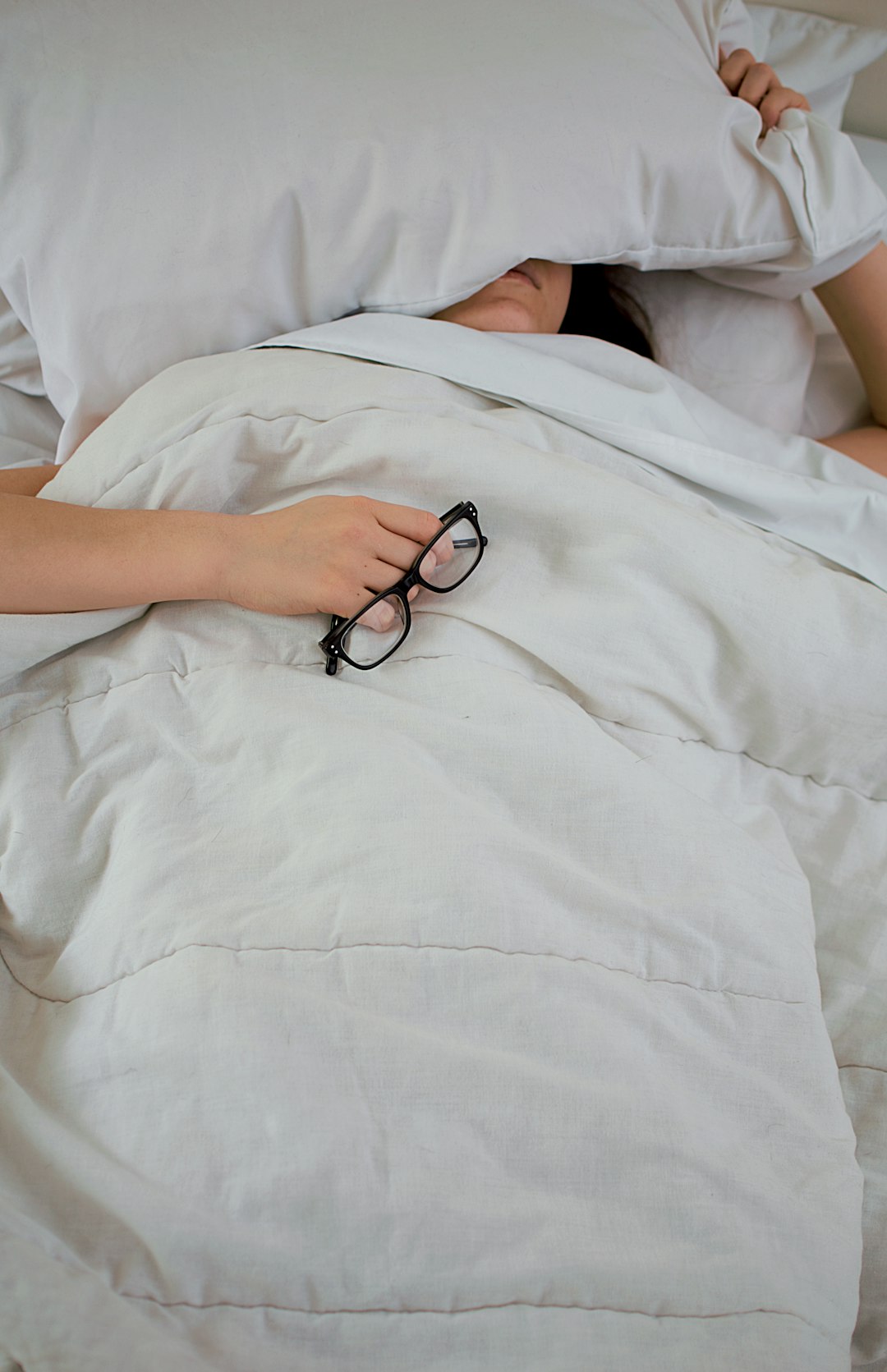
When you reach for decaf at 7 p.m., you’re not choosing a blank slate. You’re choosing a low-grade stimulant. To understand why this matters, you need to know how caffeine works in your body. Caffeine blocks adenosine receptors in your brain. Adenosine is the chemical that builds up throughout the day, making you feel tired. By blocking those receptors, caffeine tricks your brain into staying alert. Even a small amount—as little as 10 milligrams—can reduce the depth of your slow-wave sleep, the most restorative phase. Over weeks and months, that gentle sabotage adds up. You might fall asleep fine, but you wake up feeling unrefreshed, groggy, and irritable. Many people blame stress or age when the real culprit is that “innocent” evening decaf.
This phenomenon is part of a larger pattern under the category of caffeine, alcohol, and substance sabotage. Alcohol is another common cause of poor sleep that often flies under the radar. A nightcap might help you doze off faster, but it fragments your sleep cycles, reducing your REM sleep and causing early-morning wakefulness. Combined with even trace caffeine from decaf, you create a double whammy that disrupts your circadian rhythm. Your body struggles to process two opposing signals: the sedative effect of alcohol wearing off and the lingering stimulant effect of caffeine still blocking adenosine. This chemical tug-of-war leaves you stuck in light sleep, tossing and turning until dawn.
Nicotine is a third culprit in this sabotage category. Many smokers and vapers assume that avoiding cigarettes before bed solves the problem. But nicotine’s half-life in the body is about two hours, meaning its stimulating effects can persist long after your last puff. When you combine nicotine withdrawal during the night with the residual caffeine from your decaf, your sleep becomes shallow and fragmented. It’s a perfect storm for insomnia, anxiety, and daytime fatigue.
So what can you do if you love the ritual of a warm evening beverage but want to protect your sleep? First, understand that “decaf” is a misnomer. The decaffeination process removes about 97 percent of caffeine, but that remaining 3 percent still registers in your system. If you are sensitive to caffeine—and many adults become more sensitive with age—even that small amount could be enough to shorten your total sleep time by 15 to 30 minutes. Over a year, that adds up to over 180 hours of lost rest. Instead of decaf, consider switching to a true caffeine-free herbal tea like chamomile, peppermint, or rooibos. These alternatives provide the comforting warmth without any adenosine-blocking molecules.
Another strategy is to impose a strict caffeine cutoff time, including for decaf. For most people, that means no caffeine of any kind after 2 p.m. This gives your body enough time to metabolize even trace amounts before your head hits the pillow. If you absolutely cannot give up your evening decaf, limit yourself to a single small cup and drink it no later than 6 p.m. And pay close attention to how you feel the next morning. If you wake up feeling foggy or unrested despite eight hours in bed, your evening decaf might be the hidden cause.
Finally, remember that sleep is not just about quantity but quality. The goal is not merely to fall asleep but to cycle through all four sleep stages—including deep sleep and REM—without interruption. Caffeine, whether from a double espresso or a decaf latte, undermines that goal by keeping your brain slightly alert. The solution is not to demonize coffee but to respect its power. If you truly want to achieve the best sleep possible, treat decaf not as a harmless treat but as a mild stimulant that deserves a place only in your morning routine. Your adenosine receptors will thank you, and your waking hours will feel sharper, calmer, and more energetic. That is the real SleepGoals payoff.
Dream Blog
Real sleep talk for real people.

Hypoallergenic Air Curtains Around The Bed

Artificial Dawn Simulators on Starships