Chamomile Extracts Stronger Than Tea
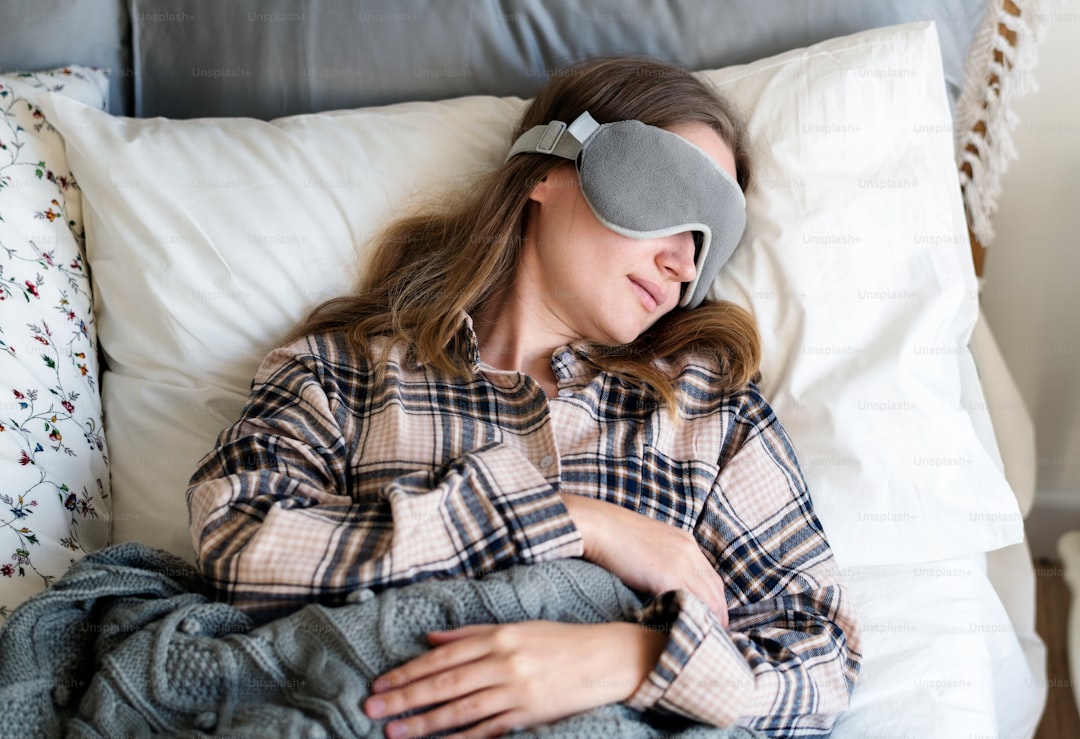
Chamomile, specifically the Matricaria chamomilla species, contains a flavonoid called apigenin. This compound binds to benzodiazepine receptors in the brain, which are the same receptors targeted by anti-anxiety medications like Valium. However, chamomile’s effect is much milder and non-habit-forming. The catch is that traditional chamomile tea contains only a small amount of apigenin. To feel a noticeable sedative effect, you would need to drink several cups, which can also mean consuming a lot of liquid before bed—leading to disruptive trips to the bathroom. Chamomile extracts, available as tinctures, capsules, or liquid drops, concentrate these active compounds into a small dose that can be taken minutes before sleep. This makes them a more practical and potent choice for many people.
When comparing chamomile extracts to standard tea, the difference is not just about potency. It is also about consistency. The strength of chamomile tea can vary wildly depending on the brand, how long you steep the bag, and whether the dried flowers are whole or crushed. A tea bag from a grocery store might contain only a fraction of the apigenin found in a high-quality extract. With an extract, you get a standardized amount of active ingredients, often labeled as a percentage of apigenin or total flavonoids. This reliability is especially important for people who want to make sleep aids a consistent part of their nightly routine. You know exactly what you are taking, and you can adjust the dose slowly based on how your body responds.
For those new to herbal sleep aids, chamomile extract offers a gentle entry point. Unlike melatonin, which can sometimes cause vivid dreams or grogginess the next morning, or antihistamine-based sleep aids, which can leave you feeling foggy, chamomile tends to promote a calm, relaxed state without disrupting your natural sleep architecture. Many users report that it helps them fall asleep faster and reduces the time spent lying awake with a racing mind. It is not a sedative that forces you into unconsciousness; rather, it soothes the nervous system, making it easier to transition from wakefulness to deep sleep. This makes it ideal for people whose poor sleep is linked to stress, mild anxiety, or an overactive mind at bedtime.
Of course, chamomile extracts are not a miracle cure. They work best as part of a broader sleep hygiene routine. That means pairing the extract with consistent bedtimes, a cool and dark bedroom, and avoiding screens for at least thirty minutes before sleep. If you are already doing these things and still struggling, chamomile extract can be the gentle push your body needs. It is also important to note that while chamomile is generally recognized as safe, you should check with your doctor if you are taking blood-thinning medications, have allergies to ragweed or related plants, or are pregnant. Like any natural remedy, it is not “safe” in unlimited amounts—stick to the dosage recommended on the product label.
Shopping for a good chamomile extract requires a little care. Look for products that list the apigenin content or that use a standardized extraction process. Tinctures with alcohol or glycerin are common, and they can be taken directly under the tongue for faster absorption, or added to a small amount of warm water. Capsules are convenient but may take longer to feel. Avoid cheap brands that simply grind up chamomile flowers into powder and call it an extract—these are no stronger than tea. A reputable supplement will specify a ratio, like 5:1 or 10:1, meaning it is five or ten times more concentrated than the raw herb. This ensures you are getting the benefits without the bulk.
In the broader context of sleep aids, chamomile extract fills a specific niche. It is not for everyone, but for the millions of American adults who are wary of pharmaceuticals and want something rooted in traditional herbal medicine, it is a wonderful option. The future of sleep science is increasingly pointing toward personalized and natural approaches, and chamomile is a time-tested plant that deserves a place in your nighttime toolkit. If you have been drinking tea and wishing it worked a little harder, consider stepping up to an extract. Your sleep might just thank you.
Dream Blog
Real sleep talk for real people.


The Back Sleeper Alignment Sweet Spot

Financial Worries That Wake You Up