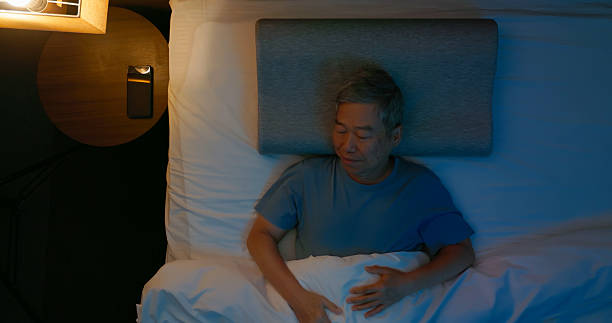
CBD's Anxiety Reduction for Sleep
CBD is a compound derived from the hemp plant, which is a cousin of the marijuana plant. Unlike its psychoactive relative THC, CBD does not make you feel high. Instead, it interacts with your body’s endocannabinoid system, a network of receptors that helps regulate mood, pain perception, and the sleep-wake cycle. When you experience anxiety, your body produces stress hormones like cortisol that keep you alert. CBD appears to support a calming effect by influencing serotonin receptors in the brain, which can help dial down that fight-or-flight response. The result is a quieter mind, making it easier to drift off naturally.
The connection between anxiety and poor sleep is well documented. Anxiety keeps your central nervous system in a state of low-level arousal, even when you are in bed. This means your brain struggles to transition from wakefulness into the deeper stages of sleep. Many over-the-counter sleep aids address the symptom of sleeplessness directly, often by causing sedation. However, they do little to address the underlying anxiety that keeps you tossing. This is where CBD stands apart. Instead of forcing your body to sleep, it helps create the internal conditions where sleep can happen on its own. Users often report that CBD does not knock them out but rather allows them to feel more at ease, which naturally leads to falling asleep more quickly and staying asleep longer.
One of the most appealing aspects of CBD as a sleep aid is its safety profile. Unlike prescription benzodiazepines or even common antihistamine-based sleep aids, CBD is generally well tolerated and does not produce the same risk of dependence. The most common side effects are mild and include drowsiness or dry mouth, which for someone seeking sleep may actually be a welcome effect. It is important to note that CBD is not a magic bullet. Its effectiveness can vary based on the dose, the individual’s body chemistry, and the quality of the product. Starting with a low dose and gradually increasing is a sensible approach. Many experts recommend taking CBD about thirty to sixty minutes before bed to allow it time to work.
When shopping for CBD products for sleep, quality matters. The market is not fully regulated, so you want to look for products that have been third-party tested. Full-spectrum CBD contains trace amounts of other cannabinoids, including a small amount of THC, which some people find enhances the calming effect. Broad-spectrum CBD removes the THC while keeping other beneficial compounds. There are also CBD isolates, which are pure CBD. For sleep goals specifically, some products combine CBD with CBN, another cannabinoid that is often called the sleep cannabinoid for its more sedative properties. You can find CBD in oils, gummies, capsules, and even topical creams, but for sleep, oils or tinctures taken under the tongue are often preferred because they absorb quickly.
CBD is not a cure-all, but it can be a valuable tool in your sleep hygiene toolkit. It works best when paired with good sleep habits like keeping a consistent bedtime, reducing screen time before bed, and creating a cool, dark room. If you struggle with racing thoughts at night, CBD may help lower that mental volume so you can actually use those other strategies effectively. More and more research is emerging to support what many users already know: CBD can reduce anxiety, and reducing anxiety can improve sleep. As the science of cannabis and sleep continues to evolve, CBD remains one of the most accessible and promising natural sleep aids for American adults seeking a calmer path to rest.
Dream Blog
Real sleep talk for real people.

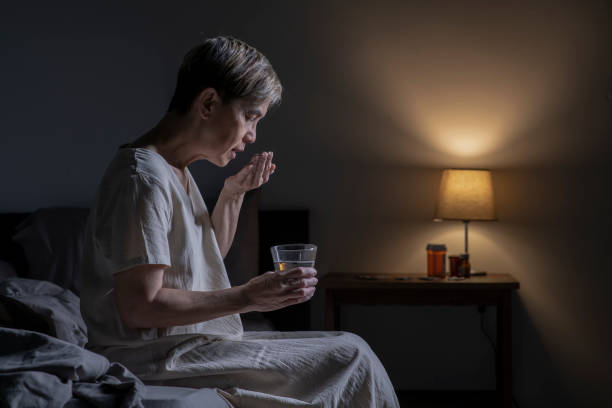
Orexin Receptor Antagonists: A New Frontier in Sleep Medications
The Feel Factor: Memory Foam vs. Latex for Your Best Night’s Sleep