Bamboo Viscose Rayon Lyocell Clarified
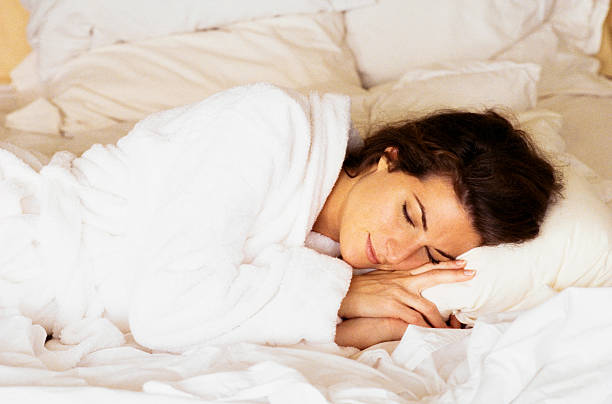
First, understand that bamboo does not grow as a soft fabric. The plant itself is woody and fibrous. To turn bamboo into a sheet, manufacturers must dissolve the plant fibers with chemicals, then spin them into yarn. The resulting material is technically called “regenerated cellulose fiber.” Depending on the manufacturing process, you get either viscose, rayon, or lyocell. “Bamboo” is just the source plant, not the fabric type. So when you see “bamboo sheets,” you’re almost always buying bamboo-derived viscose or rayon.
Viscose and rayon are essentially the same thing. Both are made by dissolving bamboo (or other plants) with strong chemicals like sodium hydroxide and carbon disulfide. The solution is then forced through spinnerets to form fibers. This process is inexpensive and produces a soft, silky sheet that feels cool to the touch. However, it’s not the most eco-friendly method, and the fibers can break down faster over many washes. For hot sleepers, viscose and rayon sheets are decent choices because they wick moisture away from your skin and breathe well. But they are not the top performers in durability or temperature regulation.
Lyocell, sometimes sold under the brand name Tencel, uses a different solvent called amine oxide. This solvent is less toxic and can be recycled in a closed-loop system, making lyocell significantly more sustainable. The resulting fiber is also stronger, smoother, and more absorbent than viscose. For cooling sheets, lyocell is a standout. Its microscopic structure allows it to pull sweat away from your body and release it quickly into the air. This keeps you dry and cool all night. Many hot sleepers report that lyocell sheets feel noticeably cooler than standard cotton or polyester blends.
Now, here is the key takeaway: if you are a hot sleeper looking for the best cooling sheets, prioritize lyocell over bamboo viscose or rayon. Look for labels that specifically say “100% lyocell” or “Tencel lyocell.” Do not be fooled by “bamboo” alone. A sheet labeled “bamboo viscose” is less cooling and less durable than a lyocell sheet made from the same plant. Also, avoid the common myth that “bamboo is naturally antibacterial” or “temperature regulating.” While bamboo plants have natural antimicrobial properties, the chemical processing destroys most of them. What you get is a soft, breathable fabric, but not a miracle cure for night sweats.
When shopping, check the weave too. Percale weaves (a simple over-under pattern) are crisper and more breathable, ideal for cooling. Sateen weaves feel silkier but can trap more heat. For hot sleepers, a lyocell percale sheet is the gold standard. Pair that with a cooling mattress protector and a breathable pillow, and you have a setup that can drop your skin temperature by a degree or two—just enough to fall asleep faster and stay asleep longer.
Finally, remember that no sheet alone will solve overheating if your mattress traps heat or your room is too warm. Cooling sheets work best as part of an overall strategy: keep your bedroom around 65 to 68 degrees Fahrenheit, use a fan for air movement, and choose moisture-wicking pajamas. But if you invest in one upgrade, make it a set of lyocell sheets. They cost a bit more than bamboo viscose, but the difference in comfort and longevity makes them worth every dollar.
Bamboo, viscose, rayon, lyocell. Now you know the difference. Now you can shop with confidence, cool down, and finally get the deep, restful sleep you deserve. Sweet dreams from all of us at SleepGoals.
Dream Blog
Real sleep talk for real people.

What Your Sleep Sounds Reveal About Your Rest
Prostate Enlargement and Male Sleep Loss