What Your Sleep Sounds Reveal About Your Rest
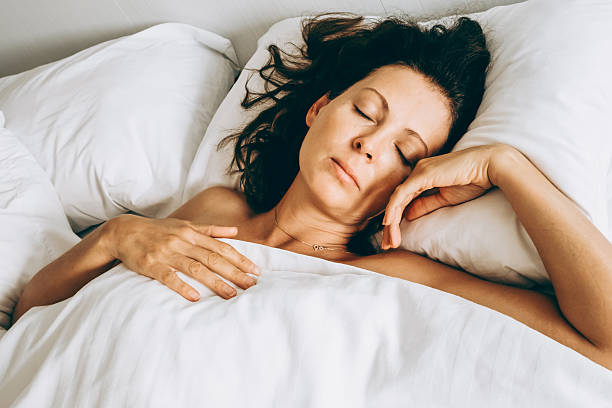
Most of us have a pretty loose idea of what our sleep sounds like. We know we sometimes snore, we might have a partner who complains, or we wake up with a dry throat. But without actually listening, you are flying blind. When you set up a voice memo app on your nightstand or use a dedicated recorder, you are essentially giving yourself a health checkup that does not require a doctor’s visit. The first thing you will notice is how much noise happens that you never hear. There is the sound of sheets rustling, the occasional cough, deep breathing, and then there are the snores. But here is the catch: not all snores are created equal. Light, rhythmic snoring that occurs during deeper sleep is often harmless. However, loud, irregular snoring that is broken by gaps of silence followed by a gasp or a snort can be a red flag for obstructive sleep apnea. That pause in sound is actually the most important part. It means your airway collapsed and you stopped breathing for a few seconds, and your brain had to jolt you half-awake just to restart. If you hear that pattern on multiple nights, it is a strong signal to talk to your healthcare provider.
Beyond apnea, overnight audio can help you spot other issues. Do you hear teeth grinding? That high-pitched, gritty sound often goes unnoticed while you sleep, but it can lead to dental damage and facial pain. Do you hear frequent shifts and restless movement? That might suggest you are not getting enough deep sleep. Do you hear yourself talking or even yelling? Sleep talking is usually harmless, but if it happens with flailing or gets intense, it could be a sign of a parasomnia. All of these clues appear in the audio if you take the time to listen. The great news is that you do not need to become a sleep expert to benefit. Simply recording for three or four nights gives you a baseline. You can look for patterns. Maybe your snoring is worse on nights when you drink alcohol. Maybe it peaks when you sleep on your back. Maybe it subsides when you use a humifier. That kind of personal observation turns you from a passive sleeper into an active participant in your own rest.
Of course, there are practical considerations. Privacy is a big one. If you record audio, you are also capturing any conversations or sounds from outside the room. Make sure you tell your partner and get their okay. Use a device that stops recording when the room is quiet, or simply leave your phone in airplane mode and delete the files after reviewing. The goal is not to spy on yourself or someone else; it is to gather useful information for better sleep. You also want to be careful not to overanalyze every little sound. A single night of heavy breathing does not mean you have a disorder. Look for consistency. If you see the same concerning pattern for three or more nights, that is when it becomes worth a call to your doctor. Many doctors now appreciate patients who bring in audio recordings because it gives them concrete evidence instead of vague complaints like “I feel tired.“ You can even use a smartphone app that generates a simple waveform of your snoring intensity, making it easier to spot trends over weeks.
That is another great benefit of overnight audio recording: it helps you see progress. If you decide to try sleeping on your side, lose a few pounds, or use a new pillow, recording again after a week can show whether the snoring got softer or less frequent. It gives you honest feedback with no one needing to stay awake to listen. And for those who have a partner who is a light sleeper, this kind of monitoring can actually save relationships. Instead of blaming each other for noisy nights, you can look at the data together and work as a team toward quiet, restful slumber. Sleep is not just a passive state. It is an active, measurable biological process. Overnight audio and snore recording puts you in charge of that process in a way that is completely doable, private, and possibly life-changing. So tonight, set up your phone, press record, and let your sleep sounds do the talking. You might be surprised by what they have to say.
Dream Blog
Real sleep talk for real people.


Replacing Every 18 Months Rule
Circular Ring Slim Battery Life