Why Your Nightcap Is Ruining Your Rest
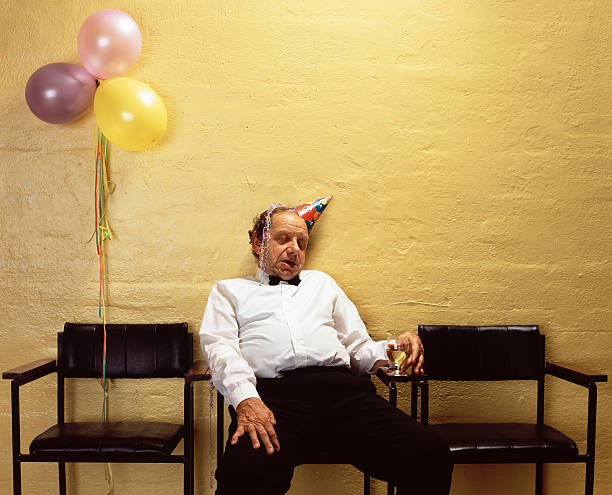
Many people use alcohol as a casual sleep aid. It works at first because it’s a central nervous system depressant. It slows down your brain activity and makes you feel relaxed and sleepy. That initial rush to dreamland feels great. Unfortunately, that’s where the good news ends. As your body metabolizes the alcohol overnight, the sedative effect wears off, and your brain goes through a rebound. You experience what sleep experts call a “rebound arousal,” which is exactly as unpleasant as it sounds: your nervous system becomes more alert than usual, prompting sudden awakenings and restless tossing. You may fall asleep faster, but you don’t stay asleep. In fact, the more you drank, the more fragmented your sleep becomes in the latter half of the night.
The biggest casualty of your evening cocktail is REM sleep, the stage where you dream and where critical memory consolidation and emotional processing occur. Alcohol suppresses REM sleep in the first half of the night. Your brain, however, is persistent. It tries to make up for lost REM in the second half, but because the alcohol is still processing out of your system, this payback comes as fragmented, lighter sleep with frequent awakenings. You might not even remember these awakenings, but you will feel their effects the next morning: brain fog, irritability, and that unrefreshed feeling no amount of coffee can fix. Over time, chronic alcohol use can shrink the amount of slow-wave deep sleep you get too, which is the most restorative stage for your physical body. This is why someone can sleep eight hours after a few drinks and still wake up feeling like they barely slept at all.
Beyond REM suppression, alcohol also aggravates snoring and sleep apnea. It relaxes the muscles in your throat, including the soft palate and the tongue, making your airway more likely to collapse during sleep. For people who already struggle with obstructive sleep apnea, even a single drink can lead to more prolonged breathing pauses and lower oxygen saturation. If your partner ever tells you you’re snoring like a freight train, pay attention. That’s your alcohol talking. Even if you don’t have a formal sleep apnea diagnosis, a nightcap can turn you into a mouth-breather who wakes up with a dry, sore throat.
There’s also the matter of frequent bathroom breaks. Alcohol is a diuretic, meaning it makes you produce more urine. While you sleep, your bladder fills up faster, and the disruption from needing to pee is enough to break your sleep cycle. Add to that the dehydration from a night of drinking, which leaves you with a dry mouth and a headache that starts before your alarm even goes off. You might think that a glass of water before bed helps, but it just adds more trips to the bathroom. The only real solution is to stop drinking long before your bedtime.
And don’t think you can outsmart the system by switching to a different type of alcohol or sticking to beer. Ethanol is ethanol. Whether it’s wine, spirits, or a hard seltzer, the amount of alcohol you consume matters more than the vehicle. The standard advice from sleep researchers is simple: the less alcohol, the better, but even one drink can measurably reduce your sleep quality. Some studies show that a moderate dose of alcohol decreases REM sleep for the entire night and increases wakefulness in the second half. If you have trouble sleeping, skipping the nightcap entirely is your safest bet.
What about caffeine, the other big offender? Coffee might be your morning lifesaver, but it has a six-hour half-life. That means if you have a 3 P.M. latte, half of the caffeine is still circulating at 9 P.M. This blocks adenosine, the chemical that builds sleep pressure, delays your natural bedtime rhythm, and makes your sleep lighter and more prone to disruption. Many people swear they can sleep fine after an evening coffee, but the accelerometry data tells a different story. The same goes for nicotine and marijuana. Nicotine is a stimulant that raises heart rate and disrupts sleep architecture, while marijuana can help you fall asleep but often suppresses REM and leads to vivid, anxious rebound dreams when you stop.
The solution isn’t complicated, but it does require a bit of discipline. Give your body at least three to four hours of alcohol-free time before bed. Better yet, replace that evening drink with a soothing habit that promotes sleep, like gentle stretching, reading, or a warm shower. Your brain’s sleep drive will thank you. You might miss the ritual of that glass of wine, but the trade-off — waking up feeling genuinely rested and sharp — is worth it. Remember that sleep isn’t just a luxury or a reward for getting through the day. It’s the biological foundation for your mood, your memory, your immune system, and your overall health. Every time you choose a nightcap instead of a solid night’s rest, you’re borrowing from your future self to pay for a few fleeting moments of relaxation. That’s a loan with terrible interest rates. So next time you reach for that bottle to help you sleep, pause and reconsider. Your body knows how to fall asleep on its own; it just needs you to stop sabotaging it.
Dream Blog
Real sleep talk for real people.

Why Blood Sugar Dips Can Wake You Up at 3 AM
Apigenin The Chamomile Extract Truth