Why Under-Mattress Sensors Might Be the Best Sleep Tracker You Never Have to Think About
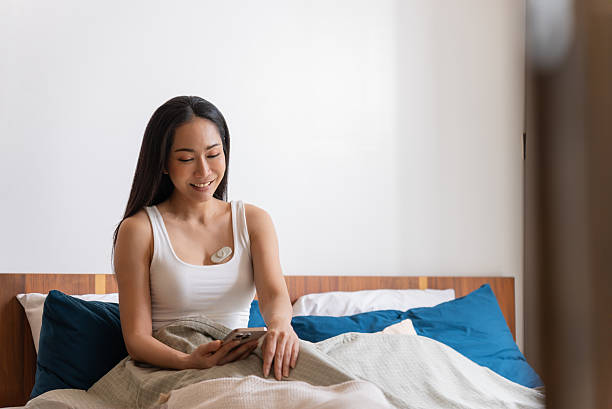
Under-mattress sensors work by using pressure-sensitive technology. When you lie down, your weight creates tiny shifts in the mattress, and the sensor picks up those movements with surprising accuracy. It can tell when you are breathing, when you toss and turn, and even when your heart rate changes, all through the physical cues your body sends to the bed. This is not science fiction. The same technology that helps doctors monitor breathing in hospital beds has been refined into consumer-friendly devices that connect to your phone or smart home hub. You just place the sensor, plug it in, and forget it exists until morning.
The biggest advantage, of course, is comfort. No straps digging into your wrist, no plastic ring swelling your finger, no need to charge a tiny battery every few days. You simply get into bed the same way you always have, and the sensor does its work silently. For people who are sensitive to wearing anything while sleeping, or for those who share a bed with a partner, under-mattress sensors are also more practical. Many models can distinguish between two people sleeping in the same bed, which means you and your partner can get separate sleep reports without needing separate devices. That is a huge win for couples who have different schedules or sleep habits.
But the benefits go beyond comfort. Under-mattress sensors tend to be more accurate for detecting sleep stages like deep sleep and REM sleep than many wrist-based trackers, because they are not fooled by arm movements. If you wave your arm during a dream, a watch might think you are awake. The under-mattress sensor, however, sees the movement in the context of your whole body, so it can better judge whether it was just a twitch or a real awakening. This makes the sleep data feel more trustworthy, which matters when you are trying to figure out why you are tired every morning.
Another surprising benefit is that under-mattress sensors can monitor sleep-related health issues beyond simple rest. Some models track breathing patterns to detect potential sleep apnea events, alerting you to see a doctor if something looks off. Others measure heart rate variability, a key indicator of stress and recovery. Because the sensor is always there, night after night, it builds a long-term picture of your sleep that a wearable might miss, especially if you sometimes forget to put it on. Consistency is key in sleep tracking, and an under-mattress sensor is relentlessly consistent.
Of course, these devices are not perfect. They cannot measure your body temperature directly, and they might miss the very first moments of falling asleep if you lie completely still. They also require a stable surface, so if you have an older saggy mattress or a bed frame that moves a lot, the data could be less reliable. And some people simply prefer the intimacy of a wearable that vibrates on their wrist as a gentle alarm. But for the majority of American adults who just want a dependable, low-effort way to understand their sleep, under-mattress sensors win on convenience.
The future of these sensors looks even brighter. Some new models can connect to smart thermostats and adjust your bedroom temperature automatically based on your sleep stage. Others integrate with smart lights that gradually brighten as your morning wake time approaches. Imagine your home working with you to improve your sleep without you having to lift a finger. That is the promise of non-wearable under-mattress sensors. They take the hassle out of sleep tracking and turn your bed into a quiet, intelligent partner in your health.
If you are someone who has tried wearables and dropped them after a week, or if you simply hate the idea of wearing anything to bed, give an under-mattress sensor a shot. It might feel weird at first to trust a thin pad under your mattress, but after a few nights, you will likely forget it is there. And that is exactly the point. Good sleep tools should work so smoothly that you never think about them. Under-mattress sensors do just that, helping you wake up feeling better without ever asking for a commitment.
Dream Blog
Real sleep talk for real people.

Fevers and The Recovery Sleep Environment
Density Weights and Durability Scores