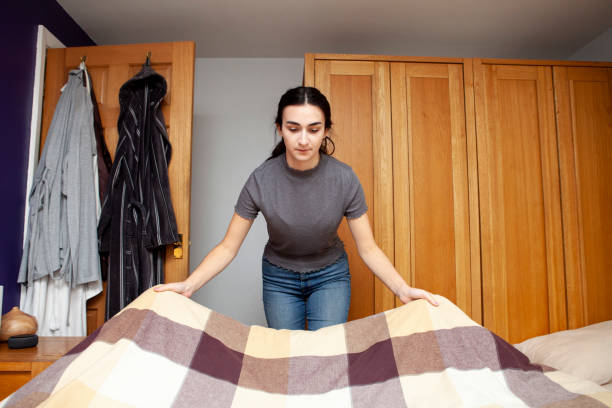
Why CEOs Guard Their Sleep Schedule

The most immediate reason CEOs guard their sleep is cognitive function. Running a large organization demands constant decision-making under pressure. A tired brain is a slow brain. When you lose sleep, your prefrontal cortex—the part responsible for complex reasoning, impulse control, and strategic planning—begins to falter. You become more reactive, less creative, and more likely to make costly errors. A study by Harvard Medical School found that sleep deprivation impairs performance as much as being legally drunk. No CEO would show up to a board meeting intoxicated, yet many employees and managers show up daily running on five hours of rest. For a leader whose decisions can impact thousands of jobs or millions of dollars, protecting sleep is not a luxury; it is risk management. When you sleep, your brain clears out metabolic waste, consolidates memories, and strengthens neural connections. You do not just rest when you sleep—you actively prepare for the next day’s challenges.
Beyond raw cognition, executives guard their sleep because it directly controls emotional regulation. Leadership is not just about having good ideas; it is about managing people. When a CEO is sleep-deprived, their amygdala—the brain’s emotional alarm center—becomes hyperactive. Small frustrations feel like major crises. A tense meeting can spiral into a conflict that takes days to repair. Lack of sleep erodes empathy and patience, two qualities that are essential for maintaining team morale and culture. Arianna Huffington, founder of the Huffington Post, has spoken openly about collapsing from exhaustion and breaking her cheekbone on her desk. That wake-up call led her to become a vocal advocate for sleep, writing that “sleep is the ultimate performance-enhancing drug.” She realized that working from a place of burnout does not make you a better leader; it makes you a worse one. CEOs know that a rested leader creates a calm, focused organization. A tired leader creates chaos.
There is also the physical health dimension. The demands of executive life often come with high stress, irregular schedules, and constant travel. These factors already put the body under strain. Skimping on sleep compounds those risks. Chronic sleep deprivation is linked to heart disease, obesity, weakened immune function, and even a higher likelihood of cancer. For a CEO, being sidelined by illness is not just a personal setback; it can affect the entire company’s direction. A sudden hospitalization or a long recovery can destabilize investor confidence and disrupt operations. Protecting sleep is, in a very real sense, protecting the business from leadership instability. Furthermore, rest improves physical stamina and mental resilience, allowing executives to sustain high performance over decades rather than burning out after a few years.
But perhaps the most overlooked reason is what sleep does for creativity and long-term vision. In the modern business world, the ability to see patterns that others miss is a massive competitive advantage. Deep sleep and REM sleep are when the brain makes unexpected connections between seemingly unrelated ideas. That insight you get in the shower on a good night’s sleep is not magic; it is your brain finishing its nightly housekeeping. Elon Musk might be famous for sleeping on factory floors, but even he has acknowledged that pushing too hard leads to diminished returns. The most innovative leaps often come after a full night’s rest, not during a fourth consecutive hour of staring at a screen. CEOs who guard their sleep give themselves the time and mental space to think big rather than just react to the urgent.
So what does this mean for you, the American adult who may not run a Fortune 500 company but who wants to perform better at work and in life? The lessons are the same. You do not need to be a CEO to benefit from treating sleep as a non-negotiable priority. Start by setting a consistent bedtime and wake-up time, even on weekends. Protect that window the way you would protect a critical meeting. Reduce screen exposure in the hour before bed. Keep your bedroom cool, dark, and quiet. If you struggle with falling or staying asleep, consider monitoring your sleep quality with a wearable device, or look into aids like cooling sheets or a supportive mattress. The goal is not perfection but consistency. When you guard your sleep, you are not being lazy. You are investing in your brain, your health, and your ability to show up fully for the people and tasks that matter most.
In a world that glorifies overwork, the quiet truth is this: the leaders who last are not the ones who sacrifice the most sleep. They are the ones who respect sleep enough to make it a priority. And if it works for them, it can work for you.
Dream Blog
Real sleep talk for real people.

Why Your Brain Shrinks During Rest
Yoga Poses You Do in Pajamas