The Tongue on The Palate
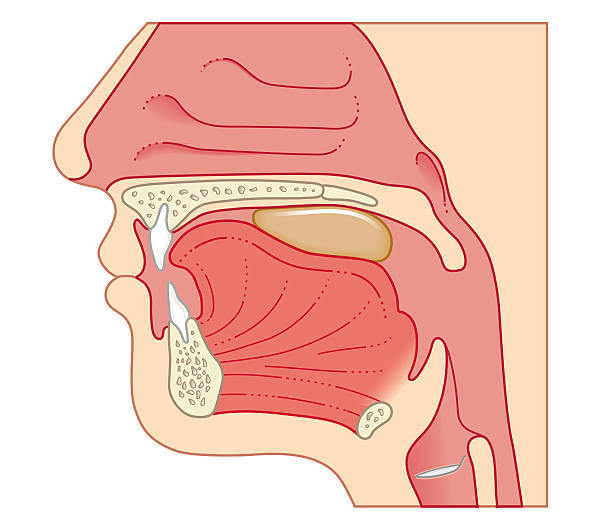
Let’s start with what the tongue on the palate actually means. In a relaxed, healthy state, your entire tongue—tip, body, and back—should be gently suctioned against the roof of your mouth. Not just touching the front teeth, but lying flat from the back of the hard palate to the front. This position keeps your airway open, supports proper nasal breathing, and prevents your tongue from falling backward into your throat while you sleep. When your tongue is on the palate, you’re creating a stable, open pathway for air to move in and out of your nose. That’s the exact opposite of what happens when your tongue rests on the floor of your mouth, which is the most common culprit for snoring and mild sleep apnea.
Now, why does this matter for a sleep aids section on a website like SleepGoals? Because most sleep aids treat symptoms—blocking noise, softening air pressure, or propping your head up. Mouth taping, for example, is a powerful tool to encourage nasal breathing, but if your tongue falls backward as you sleep, the tape alone can’t fix the underlying collapse of your airway. That’s where myofunctional therapy comes in. It’s a series of simple exercises that retrain your tongue, lips, and facial muscles to default to the correct resting posture. The tongue on the palate is the number one goal of these exercises.
Here’s how it works in practice. Throughout the day, check your tongue position. Is it pressed against the roof of your mouth, or is it sitting low, maybe touching your teeth or the floor of your mouth? Most American adults have what therapists call a “low tongue posture,” often from habits like mouth breathing, thumb sucking as a child, or even years of drinking through straws. Over time, that low posture becomes your default. At night, it worsens. As your muscles relax, gravity pulls your tongue down and back, narrowing your airway. Snoring starts. Oxygen dips. You wake up groggy, even if you never remember waking.
Combining mouth taping with myofunctional exercises changes that. When you tape your mouth at night, you force yourself to breathe through your nose. But if your tongue isn’t trained to stay on the palate, the taping can feel suffocating because your airway isn’t actually open. Once you practice keeping your tongue on the palate during the day—do it while driving, reading, or watching TV—your body learns to maintain that position at night. The tape becomes a gentle reminder, not a struggle. Your snoring drops. Your oxygen levels stabilize. You wake up with a dry mouth less often because you’re actually breathing through your nose.
Myofunctional therapy isn’t complicated, but it does require consistency. One common exercise is the “snap.” You simply snap your tongue to the roof of your mouth, making a clicking sound, and hold it there for ten seconds. Do this several times a day. Another is the “suction hold,” where you create a seal by sucking your tongue against your palate and holding it for fifteen seconds, then swallowing. Over weeks, these exercises train your tongue to rest in the correct spot automatically. Combined with mouth taping, they become a natural, drug-free sleep aid that addresses the root cause of many breathing disruptions.
For American adults who are tired of chasing sleep aids that never quite deliver, the tongue on the palate is worth your attention. It’s free. It requires no equipment beyond your own mouth. And it directly supports the goals of mouth taping, which is already a popular tool on this site. Think of it this way: mouth taping is the lock, and your tongue on the palate is the key. Without the key, the lock doesn’t help much.
A quick word of caution: if you have severe sleep apnea, a deviated septum, or any nasal obstruction, talk to a doctor or a myofunctional therapist before starting. But for the majority of adults who snore lightly, mouth breathe at night, or wake up tired, this simple tongue position could change your sleep more than any pillow or cooling sheet ever could. Start by noticing where your tongue is right now. Then, gently lift it to the roof of your mouth. Hold it there. That’s the first step toward breathing better, sleeping deeper, and waking up like a new person.
Dream Blog
Real sleep talk for real people.


How CBD and CBN Influence Your Sleep Stages

Quantum Edge Elite Combi-Zone Designs