The Simple Morning Light Habit That Transforms Your Sleep
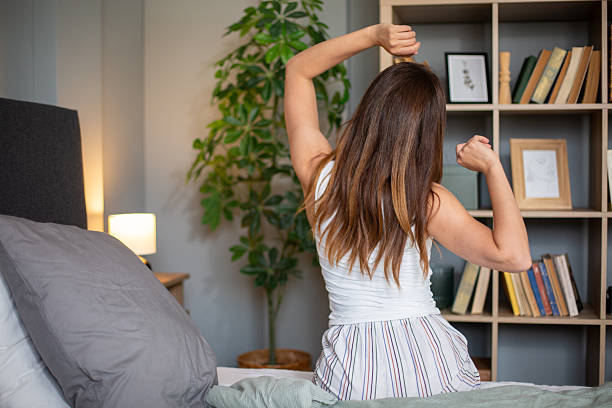
For decades, we have treated light as an on-off switch. Flip it on when you need to see, flip it off when you want darkness. But your body does not work that way. Every cell in your body runs on a roughly twenty-four-hour clock, and that clock needs daily correction. Without the right light at the right time, your internal timing drifts. You might find yourself wide awake at midnight, then dragging at noon. The fix is not a new supplement or a fancy app. The fix is learning to use light like a volume dial, not a switch.
Here is the key: your brain interprets bright light as the signal for daytime. Specifically, light that contains blue wavelengths tells your internal clock to press the stop button on melatonin, the hormone that makes you sleepy. That is why staring at your phone at eleven at night can leave you buzzing for another hour. But the same biological trick works in your favor if you use it strategically. Morning light, especially within the first hour of waking, does more than help you feel alert. It actually sets a timer that makes melatonin kick in later in the evening, at the right time. Think of morning light as resetting a countdown. Get it early and consistently, and your body knows exactly when to start winding down.
So what does this look like in practice? You do not need to sit on a bare rock facing the sun for twenty minutes like some kind of meditation retreat dropout. You just need to step outside. Even on a cloudy day, outdoor light is dramatically stronger than indoor lighting. A typical living room with all the lamps on might deliver a few hundred lux, the unit of light intensity. A bright sunny day can deliver over one hundred thousand lux. Even an overcast winter day gives you around ten thousand lux. That is still far more than your office ceiling lights. Five to fifteen minutes of outdoor light in the morning, without sunglasses, can make a measurable difference in your sleep quality that night.
The tricky part is consistency. Your body loves patterns. If you get morning sunlight at seven on weekdays but sleep until eleven on weekends, your internal clock gets confused. That is the biological version of jet lag, and it hits every Monday morning. The solution is not to set an alarm for Sunday crack of dawn. Instead, try to get outside close to the same time every day, even if it means a short walk around the block after dragging yourself out of bed. The goal is to anchor your clock with a daily dose of bright light before you do anything else. That includes checking your phone. Let the light hit your eyes first, then reach for the screen.
What about evenings? The same logic applies in reverse. As the sun goes down, your brain needs darkness to start its wind-down process. That means dimming the lights in your home about an hour before bed. Not just switching to a softer lamp, but actually reducing the overall brightness. Many people leave every overhead light blazing until they brush their teeth, then wonder why they lie in bed with a whirring mind. You can keep reading or watching TV, but lower the brightness settings and move away from the glow. If you must use your phone, keep it at arm’s length and turn on night mode. This is not about being perfect. It is about tilting the odds in favor of your natural biology.
One common mistake is trying to make up for poor morning light with a bright afternoon workout or a midday walk. That helps, but it is not the same as early light. Your brain’s sensitivity to light changes throughout the day. It is strongest in the morning and again right around bedtime, which is why evening screen time is so disruptive. Afternoon light has a weaker effect on your clock. So do not skip that afternoon sunshine, but do not think it replaces the morning session.
If you work nights or have odd hours, the principle still applies. When you wake up, regardless of the hour outside, treat that first hour as your personal morning. Get as much bright light as you can, even if it means using a bright light therapy box. For most Americans, though, the fix is embarrassingly simple. Open the curtains, step onto the porch, or take the dog for a quick walk. No special equipment, no ten-step routine. Just light. Let it be the first conversation you have with your body each day, and your sleep will thank you.
Dream Blog
Real sleep talk for real people.


The Dopamine and Oxytocin Release

Line Dried Linen Is Crisp