The Science of Weighted Blankets and Deep Pressure Therapy
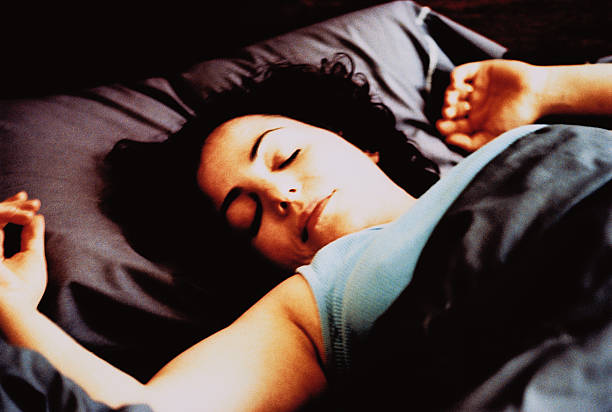
Deep pressure stimulation is the gentle, evenly distributed pressure that mimics the feeling of being held or hugged. When you experience this type of pressure, your body responds by activating the parasympathetic nervous system, which is responsible for rest and digestion. At the same time, it reduces the activity of the sympathetic nervous system, the network that triggers your fight-or-flight response. This shift helps lower your heart rate, reduce blood pressure, and decrease levels of cortisol, a stress hormone that can keep you alert and anxious. The result is a calmer, more relaxed state that makes it easier to drift off to sleep.
For many people, the hardest part of falling asleep is quieting a racing mind. Weighted blankets offer a physical anchor that draws your attention away from anxious thoughts and toward bodily sensations. This grounding effect is similar to the way a parent soothes a crying child by holding them firmly. The pressure provides a sense of safety and security that helps your brain let go of vigilance. Over time, using a weighted blanket can create a powerful association in your mind between the feeling of pressure and the onset of sleep, making it a reliable cue that bedtime is near.
One of the most common questions about weighted blankets is how heavy they should be. The general guideline is to choose a blanket that is roughly ten percent of your body weight, although some prefer a bit lighter or heavier depending on their comfort level. A blanket that is too light may not provide enough pressure to trigger the relaxation response, while one that is too heavy can feel restrictive and cause overheating. It is important to try out different weights and pay attention to how your body responds. Most adults find that a fifteen to twenty pound blanket works well, but personal preference plays a large role. You want the pressure to feel comforting, not suffocating.
Another key factor is the material and fill. Weighted blankets come with a variety of fillings, including glass beads, plastic pellets, and even natural materials like sand or rice. Glass beads are often favored because they are small and quiet, allowing the blanket to drape evenly over your body without clumping. The outer fabric matters too. Breathable cotton or bamboo blends are better for sleeping, as they wick away moisture and prevent you from waking up hot. Some blankets have special cooling properties, which are especially useful for people who tend to sleep warm.
Weighted blankets also reduce nighttime awakenings. By promoting deeper stages of sleep, particularly slow-wave sleep, the pressure helps your body spend more time in restorative phases, so you wake up feeling refreshed and less groggy. Many users also report less anxiety and depression. This calming effect can carry into your daily life.
It is worth noting that weighted blankets are not for everyone. Young children, infants, or individuals with certain respiratory or circulatory conditions should consult a doctor before using one. Also, if you have a condition like claustrophobia or chronic pain, you may need to experiment with different weights or positions to find what works. But for the vast majority of healthy adults, adding a weighted blanket to your sleep environment is a low-risk, drug-free way to support better rest.
Incorporating a weighted blanket into your routine is simple. Start by using it during a quiet activity like reading or watching TV to adjust to the sensation. Then, when you are ready to sleep, make sure your room is cool and dark. Let the blanket rest across your torso and legs, avoiding your neck and face. With consistent use, your mind and body will associate that gentle pressure with deep, peaceful sleep. It is not magic, but a practical tool that harnesses your body’s natural relaxation response. Try it for a few nights and notice the difference.
Dream Blog
Real sleep talk for real people.

Charcoal Filters in The Room

Hydration Timing and Sleep Interruptions