Teaching Your Teen About Drowsy Driving
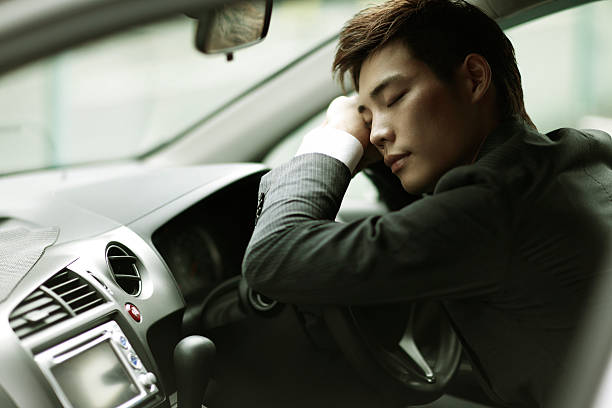
The reality is that American teenagers are among the most sleep-deprived people in the country. Between early school start times, homework, sports, part-time jobs, and the endless lure of social media, many teens are running on five or six hours of sleep when their developing brains need eight to ten. This shortage creates a dangerous situation when they get behind the wheel. Drowsy driving is not simply feeling tired. It is a state of impaired judgment and slowed reaction times that can be as dangerous as driving under the influence of alcohol. Research has shown that being awake for eighteen hours produces impairment comparable to a blood alcohol concentration of 0.05 percent. After twenty-four hours without sleep, that impairment jumps to 0.10 percent, which is above the legal limit for adults in every state.
For a new driver who already lacks experience, the combination is lethal. A teen who is drowsy is more likely to drift out of their lane, miss a stop sign, fail to react to a car braking ahead, or even nod off at a red light. The crash risk for drowsy drivers is highest among people under the age of twenty-five, and the National Highway Traffic Safety Administration estimates that drowsy driving causes hundreds of fatalities each year. The actual number is likely much higher because it is difficult to prove fatigue after a crash.
So how do you teach your teen to respect the importance of sleep without sounding like a broken record? Start by talking about sleep as a necessary part of driving safety, not as a punishment or a chore. Frame it the way you would frame putting on a seatbelt. A seatbelt is a habit that protects you before you even start the engine. A good night of sleep is the same thing. Your teen needs to understand that staying up late to finish a project or to scroll through their phone directly affects their ability to drive safely the next morning. That is not a judgment about their choices. It is a biological fact.
Help them recognize the warning signs of drowsy driving. These include yawning repeatedly, drifting out of the lane, having trouble keeping their eyes open, missing exits, or realizing they do not remember the last few miles of the drive. Make it clear that if they ever feel that way, they should not push through. They should pull over in a safe, well-lit area, ideally a rest stop or a parking lot, and take a short nap before driving again. Caffeine can help in the short term, but it is no substitute for sleep.
It also helps to set boundaries that support their sleep schedule. If your teen drives to school, they should not be driving on fewer than seven hours of sleep. If they have a late practice or a shift at a job, you might need to pick them up or let them sleep in the car on the way home. This is not about being overprotective. It is about acknowledging that an exhausted teenage brain behind the wheel is a public safety risk. You can also model good sleep habits yourself. When your teen sees that you prioritize rest and that you refuse to drive when you are tired, they are far more likely to adopt that same mindset.
The National Sleep Foundation and the Centers for Disease Control and Prevention both emphasize that drowsy driving is a serious and preventable problem. Yet it remains under-discussed in many driving education programs. By teaching your teen about the importance of sleep as a core part of being a responsible driver, you are giving them a lesson that will save lives. Not just their own, but the lives of everyone else on the road. Sleep is not weakness. It is the best safety feature you never have to install.
Dream Blog
Real sleep talk for real people.


Casper The Original One-Size-Fits-All

Orexin Neurons That Stabilize Wakefulness