Smart Rings: The Discreet Key to Unlocking Your Best Sleep
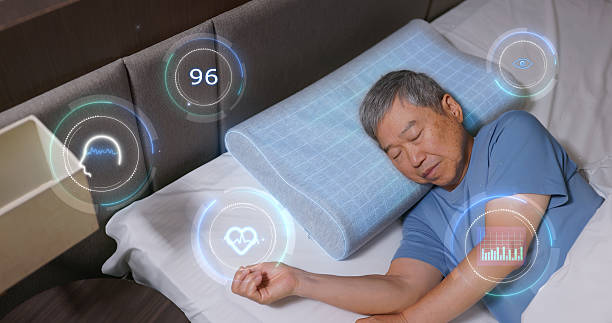
Let’s talk about comfort first, because that’s what makes or breaks any sleep tracker. You can’t get accurate data if you yank the device off at 2 a.m. because it’s bothersome. Smart rings are designed to be featherlight, typically weighing less than a nickel. You barely notice it’s there, which means you’re more likely to wear it every single night. That consistency is huge. A single night’s sleep score is just a snapshot, but a month of nightly data gives you a clear, honest picture of your sleep patterns. And because the ring doesn’t have a screen or buzzing notifications, nothing distracts you from winding down. No glow on your nightstand, no temptation to check your stats when you should be dozing off.
So how does a tiny ring actually track your sleep? Inside that slim band are sensors that monitor your heart rate, heart rate variability, skin temperature, and movement. Every time your finger twitches or your body shifts, the ring records it. Over the course of the night, it uses those signals to estimate how much time you spend in light sleep, deep sleep, and REM sleep. Deep sleep is when your body repairs muscles and strengthens your immune system, while REM is when your brain sorts through memories and emotions. Knowing how much of each you get helps you understand why you wake up groggy even after eight hours in bed. For example, if your deep sleep percentage is consistently low, that could explain why you still feel tired. The ring’s software turns all that raw data into a simple score, usually between zero and one hundred, so you don’t need a medical degree to make sense of it.
But the real magic of smart rings is in the trends. Think of a single night’s sleep like one page in a diary. Reading one page won’t tell you much, but reading a month’s worth shows you patterns. Maybe you notice that your sleep score dips every Tuesday and Friday. Then you remember those are the nights you have late meetings and eat dinner at 9 p.m. Or you see that your HRV is higher on weekends when you’re less stressed. That kind of insight lets you make small, targeted changes rather than guessing in the dark. You might start eating dinner earlier on busy nights, or add a ten-minute wind-down routine before bed. Over time, you can look back and see what worked. The ring isn’t just telling you how you slept; it’s teaching you how to sleep better.
Another underrated benefit is how unobtrusive smart rings are in your daily life. You can keep it on while washing your hands, doing dishes, or working out, because most are water resistant. You don’t need to remember to put it on before bed; it lives on your finger. And unlike smartwatches that demand a daily charge, many rings have batteries that last four to seven days. That’s less hassle and fewer interruptions to your routine. Plus, some people have skin sensitivities to the silicone bands or metal cases of wrist-worn devices. Smart rings, often made with hypoallergenic materials like titanium or ceramic, avoid that problem entirely.
Of course, no device is perfect. Smart rings cost more than a basic fitness band, and you have to get the right size or it won’t work properly. If you have arthritis or swelling in your fingers, a ring might not be comfortable. But for the vast majority of Americans who want to take their sleep seriously without wearing a mini computer on their wrist, the smart ring is a brilliant compromise. It’s subtle enough to wear all day, yet sophisticated enough to give you meaningful, actionable insights.
If you’re worried that tracking your sleep will make you obsess over numbers, remember this: the goal isn’t to chase a perfect score. The goal is to learn what works for your body and feel more rested. A smart ring gives you that knowledge with zero friction, letting you focus on the one thing that matters most—actually getting the rest you deserve. So why not give it a chance? Your finger will hardly notice it, but your mornings might never be the same.
Dream Blog
Real sleep talk for real people.


Catathrenia The Groaning Sound Mystery

Battery Drain Throughout the Night