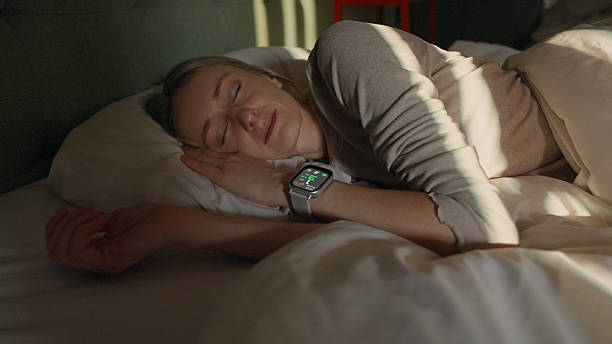
Sleep Stories That Actually Work
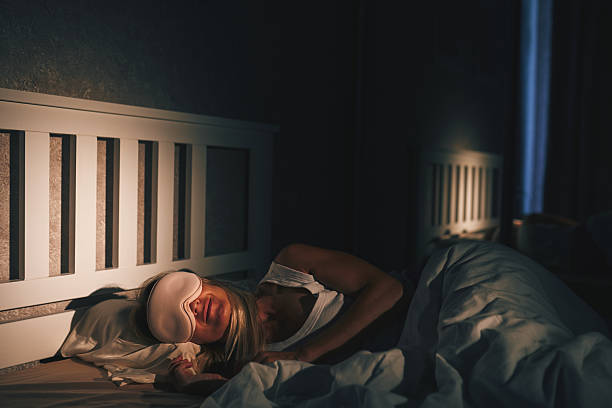
First, let’s talk about why your brain resists sleep. When you lie down, your mind often shifts into “threat detection” mode, replaying the day’s worries, tomorrow’s to-do list, or that awkward comment you made three years ago. This mental chatter keeps your sympathetic nervous system—your fight-or-flight response—switched on. Sleep stories work because they gently hijack that loop. Instead of letting your brain generate its own anxious narrative, you give it a calm, predictable, and boring (in the best way) story to follow. The key word here is “boring.” Truly effective sleep stories aren’t thrilling page-turners. They are repetitive, meandering, and full of mundane details. Think of a slow walk through a misty forest, the counting of sheep in a meadow, or the careful description of how to brew a cup of tea. This monotony lulls your prefrontal cortex into quieting down, allowing your brain to slide into the drowsy alpha and theta wave states that precede sleep.
The science behind this is straightforward. When you listen to a sleepy voice describing a familiar, low-stakes scene—like a cat grooming itself or the sound of rain on a tin roof—your brain releases dopamine in a gentle, steady trickle rather than in the spikes associated with exciting stories or stressful thoughts. At the same time, the rhythm of a slow, calm narrator mimics the cadence of a heartbeat at rest, encouraging your own heart rate to synchronize and slow. This is why audio aids in the Sleep Hypnosis and Audio Aids subsection of our site focus on pacing, tone, and specific language patterns. The best sleep stories avoid dramatic music or sudden changes in volume. Instead, they use soft background sounds—like crickets or a crackling fireplace—to create a safe, cocoon-like environment. This sensory trick signals to your ancient lizard brain that there are no predators nearby, so it’s safe to let your guard down and drift off.
But not every sleep story works for every person. Some American adults prefer a guided narrative that takes them through a detailed, imaginary place, like a librarian organizing books in a never-ending library. Others respond better to what are called “hypnosis-based” sleep stories, which include gentle suggestions to relax your jaw, soften your shoulders, and let your thoughts float away like clouds. The key is to find a story that feels neutral to you. If the narrator’s voice is grating, or the imagery reminds you of a stressful memory, it won’t work. That’s why SleepGoals recommends sampling a few different styles. Look for stories with a slow, even tempo—around 60 to 70 words per minute—and a narrator whose voice you find soothing, not stimulating. Also, pay attention to the length. A story that is too short might end before you fall asleep, jolting you awake. Aim for at least twenty to thirty minutes of audio, so the story can carry you gently across the threshold into sleep without a disruptive finish.
One common misconception is that sleep stories are only for children or for people with severe insomnia. In reality, they are a powerful tool for anyone who has trouble “shutting off” their brain. They are especially useful for those who find counting sheep boring but anxiety-provoking. The story gives your mind something concrete to hold onto without requiring effort. Over time, your brain will actually form a conditioned response. When you hear the narrator’s opening line—“It was a quiet evening in the old village”—your body will begin to release melatonin on cue. This is the same principle behind sleep hygiene routines, but packaged in a way that feels like a treat rather than a chore.
If you’re new to sleep stories, start with one that involves a setting you find personally calming. For a city dweller, that might be a description of a peaceful mountain cabin. For a parent, it might be a story about a quiet garden. Avoid stories with complex plots, mysteries, or emotional conflicts—these can actually wake up your brain rather than soothe it. And remember, the goal is not to follow the story closely. Let your attention wander in and out. The story is a gentle anchor, not a homework assignment. You might miss whole paragraphs, and that’s perfectly okay. That is your brain doing exactly what it needs to do: giving up the chase and sinking into rest.
At SleepGoals, we believe that sleep is not a performance. You don’t have to earn it. Sleep stories are a reminder that sometimes the best way to fall asleep is to stop trying so hard and simply let a quiet voice guide you there. Whether you choose a hypnotic journey through a sleepy village or a simple tale of a cat on a porch, the right sleep story can turn your bedtime from a battleground into a gentle, welcomed surrender. Try one tonight. Your brain might just thank you in the morning.
Dream Blog
Real sleep talk for real people.

Why Fabric Softener Ruins Your Cooling Sheets (and What to Use Instead)
Teens Have a Delayed Sleep Phase