Silk as a Thermoregulator Myth
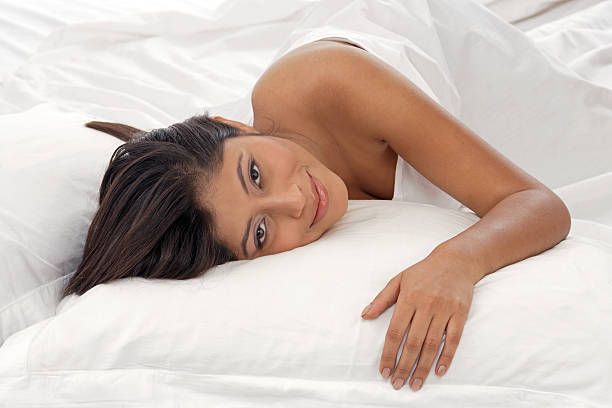
Let’s start by understanding what thermoregulation really means in the context of sleep. Your body naturally drops its core temperature to initiate and maintain deep sleep. If your bedding traps heat, that process gets disrupted, and you end up restless. The best fabrics for hot sleepers are those that breathe well and promote airflow, allowing heat to escape and moisture to evaporate. So where does silk fit in? Silk is a natural protein fiber that has some unique properties. It’s smooth, lightweight, and feels incredible against the skin. But it is not a naturally cooling fabric in the way that cotton, linen, or bamboo-based materials are. In fact, silk has a tendency to hold onto heat because of its dense weave and structure. While it can feel cool to the touch at first, that sensation fades quickly as your body heat gets trapped between the fibers.
The myth likely started because silk is often described as a temperature-regulating fabric thanks to its ability to wick moisture. And it’s true: silk does absorb perspiration and pull it away from the skin to some degree. But wicking alone does not equal cooling. In fact, if the moisture can’t evaporate quickly because the fabric isn’t breathable enough, you’ll end up feeling damp and clammy. That’s the opposite of what you want from cooling sheets. For a mattress or sheet to genuinely help you sleep cooler, air needs to be able to move through it. Linen and cotton, especially percale weaves, excel at this because they have open, porous structures. Silk, by comparison, has a tight, smooth surface that limits airflow.
Another reason silk falls short for hot sleepers is how it interacts with your environment. If you live in a humid climate, silk can actually become slightly sticky as it absorbs moisture from the air and your body combined. That’s not a recipe for a refreshing night’s rest. In contrast, sheets made from lyocell or Tencel are engineered to breathe and wick moisture without the heat-trapping downside. And let’s not forget price: silk is expensive, often costing three to five times more than high-quality cotton or linen. You don’t want to invest that kind of money only to discover you’re still waking up hot.
Now, this isn’t to say silk has no place in your bedroom. Many people love silk pillowcases for reducing hair frizz and preventing sleep lines on the face. But if your primary goal is to stay cool throughout the night, you’re better off looking elsewhere. The best fabrics for hot sleepers are those that prioritize breathability, moisture evaporation, and a lightweight feel. Linen is a classic choice because it gets softer with every wash and promotes serious airflow. Cotton percale is crisp, airy, and affordable. And bamboo-derived fabrics like rayon from bamboo are popular for their silky feel without the heat-trapping problems.
So how should you shop for cooling sheets? Ignore the marketing buzzwords and look at the weave. A sateen weave is denser and warmer, while a percale weave is loose and breathable. Check the thread count: too high can mean less airflow. And consider your own sleep environment. If you sleep with a partner or in a warm room, materials that encourage circulation are non-negotiable.
Ultimately, the silk thermoregulation myth persists because it sounds so plausible. But real cooling comes from physics, not luxury. For a peaceful, sweat-free night, focus on fabrics that let heat escape and air move freely. Your sleep goals deserve sheets that work with your body, not against it.
Dream Blog
Real sleep talk for real people.


Why Your Nightcap Is Ruining Your Rest
Airflow Channels Cut Into The Core