RISE App Circadian Forecasting Engine
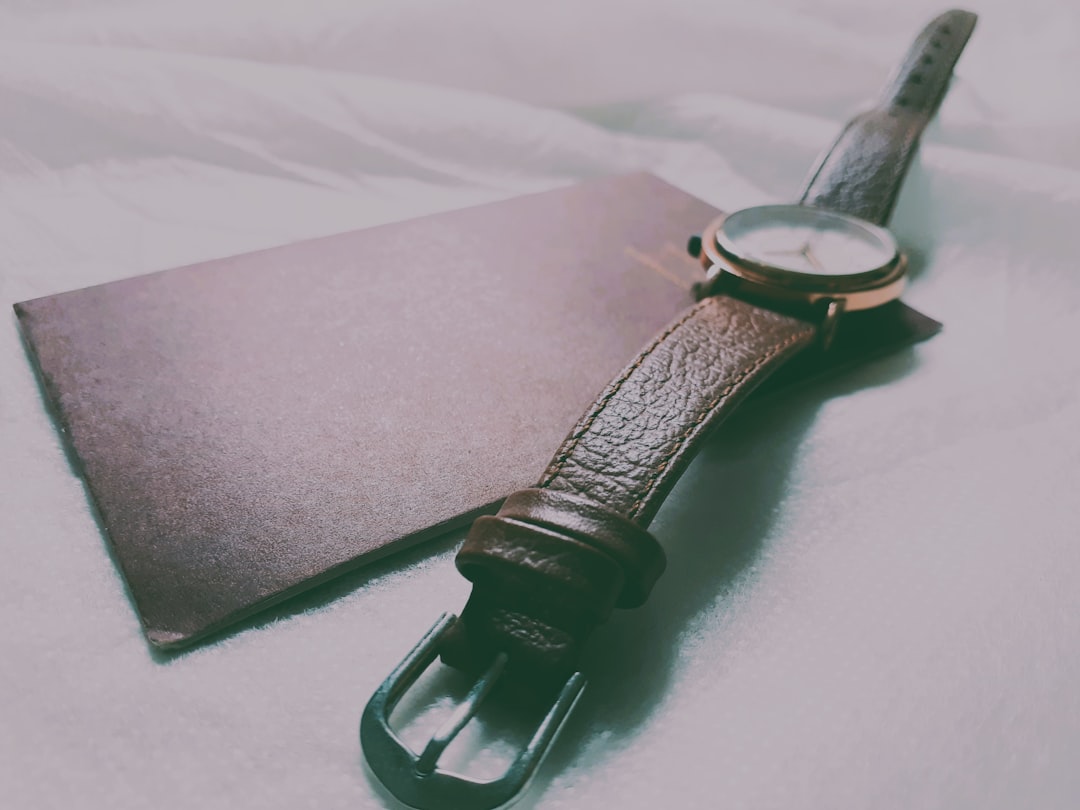
Wearables have come a long way from simple step counters. Today, devices like smartwatches and fitness trackers can monitor your heart rate, body temperature, movement, and even your sleep stages. But collecting data is only half the battle. The real power comes from interpreting that data in a way that makes sense for your unique biology. The RISE App does exactly that. Its Circadian Forecasting Engine uses the information from your wearable to predict the ebbs and flows of your energy, focus, and sleepiness throughout the day. It does not just tell you when you slept poorly. It tells you why and, more importantly, when your body is naturally ready to fall asleep and wake up.
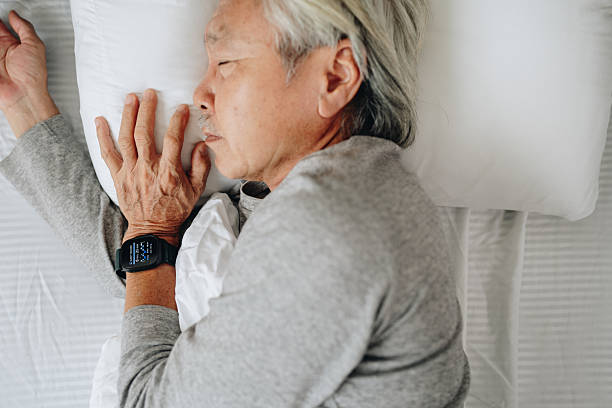
Think of it as having a personal sleep coach on your wrist. Most people try to force their sleep schedule to match their work or social obligations, often fighting against their own biology. The Circadian Forecasting Engine works with your body, not against it. By analyzing your sleep history, light exposure, and daily activities, it builds a model of your personal circadian rhythm. It then forecasts when your melatonin levels will naturally rise, which is your ideal window for falling asleep. It also shows you when your energy will dip in the afternoon, helping you plan naps or breaks that actually restore you rather than leaving you more confused.
This is a huge leap forward from standard sleep trackers. Many wearables will show you a graph of your deep sleep, light sleep, and REM sleep, but they rarely tell you what to do with that information. The RISE App’s engine gives you actionable advice. If your forecast shows that your energy is going to crash at 3 PM, it might suggest a short power nap or a walk outside to reset your internal clock. If it detects that your bedtime is drifting later and later, it will warn you that your circadian misalignment is growing, which can lead to poor sleep quality and daytime fatigue.
For American adults juggling busy schedules, this kind of insight is invaluable. Poor sleep is often caused not by a single bad night, but by a pattern of small missteps—staying up too late on weekends, looking at screens before bed, or eating dinner too close to sleep time. The Circadian Forecasting Engine helps you see these patterns over time. It encourages consistency by showing you how even one late night can throw off your rhythm for days. And because it integrates with your existing wearable, you do not need to change your routine drastically. You just need to pay attention to the gentle nudges it provides.
The science behind this is solid. Circadian rhythms are controlled by a master clock in your brain that responds to light and darkness. When this rhythm is disrupted, it affects everything from your metabolism to your mood. The RISE App’s engine accounts for factors that a simple clock cannot, such as your personal sleep debt and your chronotype—whether you are naturally a morning lark or a night owl. By forecasting when your body will be most ready for sleep, it helps you align your bedtime with your biology rather than with the clock on the wall.
If you are serious about improving your sleep, wearables are no longer just gadgets. They are tools for self-awareness. And the RISE App Circadian Forecasting Engine is one of the best examples of how this technology is moving from passive tracking to active coaching. It turns your wearable into a partner that helps you make smarter decisions about your day, from when to drink your coffee to when to dim the lights. For anyone who has ever felt burned out, foggy, or frustrated with their sleep, this is a welcome shift. Your body already knows how to sleep well. Now, with the help of a wearable and a smart forecasting engine, you can finally listen.
Dream Blog
Real sleep talk for real people.

The Unexpected Versatility of Body Pillows for Better Sleep

Cleaning a 25-Pound Blanket Properly