REM Paralysis Is Actually Protective
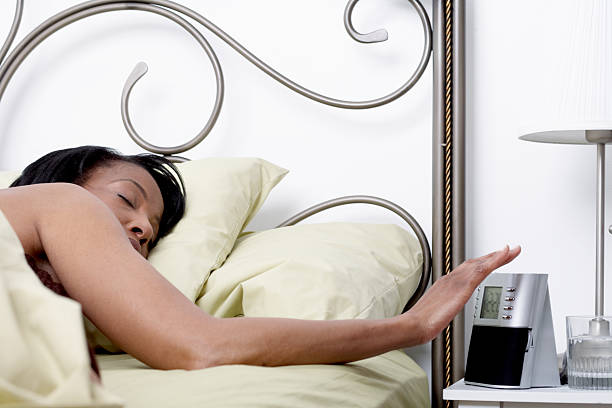
To get to the bottom of this, we need to step into the science of sleep, specifically the fascinating world of Rapid Eye Movement, or REM, sleep. Every night, your brain cycles through several stages of sleep, but REM is the stage where the most vivid dreaming occurs. Your brain lights up almost as actively as it does when you’re awake. Your eyes dart back and forth behind closed lids. Your heart rate and breathing become irregular. You are, in a sense, awake inside your own head. But what happens to the rest of your body? It goes completely still.
That stillness is not accidental. During REM sleep, your brain sends a signal down your spinal cord that essentially disconnects your voluntary muscles. It’s a temporary blockade called REM atonia. The word “atonia” literally means “without tone.” Your arms, legs, torso, and even your facial muscles are locked in place. This is the very same paralysis that sometimes lingers for a few seconds or minutes after you wake up. And here is the key point: without this paralysis, you would physically act out your dreams.
Imagine dreaming that you are being chased by a bear. In your mind, you are running for your life. If your brain did not paralyze your body, you would jump out of bed, flail your arms, and possibly sprint into a wall or down the stairs. You could injure yourself, your bed partner, or anyone else nearby. REM paralysis keeps you safe in bed while your brain replays the day’s emotions, consolidates memories, and processes fears. It is your body’s way of putting your muscles on pause so your mind can do its nightly housekeeping without causing chaos.
The protective nature of REM paralysis becomes even clearer when you look at what happens when this system fails. A condition called REM sleep behavior disorder, or RBD, occurs when the brain does not properly inhibit muscle movement during REM sleep. People with RBD physically act out their dreams. They may punch, kick, yell, or even leap out of bed while still in a dream state. This can lead to serious injuries, including bruises, broken bones, and harm to a partner. RBD is often linked to neurological conditions like Parkinson’s disease, but it underscores just how critical that nightly paralysis really is. Your body’s temporary lockdown is not a flaw; it is a fail-safe that keeps you anchored in reality while your mind explores the dream world.
So why does sleep paralysis feel so terrifying when it occurs upon waking? Usually, it happens when your mind wakes up before your body does. You become conscious, but the REM atonia signal hasn’t turned off yet. You are stuck in between sleep and wakefulness. The sensation of being unable to move, combined with the vivid dream imagery that can still leak through, often produces hallucinations of a shadowy figure in the room or a weight on your chest. It is frightening, but it is not dangerous. Most episodes last only a few seconds to a minute. And paradoxically, knowing that this experience is a natural protective mechanism can be the best antidote to the panic. Instead of fighting the paralysis, you can remind yourself: “My body is just finishing its REM lockdown. This is keeping me from acting out my dreams. It will pass.”
For American adults who struggle with sleep disruption, understanding REM paralysis can also offer peace of mind. It is common during periods of irregular sleep, stress, or sleep deprivation. If you have been pulling all-nighters or shifting your sleep schedule, your REM cycles can become unbalanced. This makes you more likely to wake up in the middle of a REM episode, paralysis and all. Improving your sleep consistency—going to bed and waking up at the same time daily—helps normalize your REM cycles and reduces the chance of waking mid-paralysis.
Remember, every single night your brain voluntarily puts you into a temporary state of paralysis for your own good. It is one of the most elegant and life-saving features of your biology. The next time you feel that familiar stillness, let it be a reminder that your body is working exactly as it should: protecting you, one quiet dream at a time.
Dream Blog
Real sleep talk for real people.

Why Wearing Socks to Bed Helps You Fall Asleep Faster

Setting Up Alone in a Walk-Up