Motor Skill Learning Saved in Stage Two
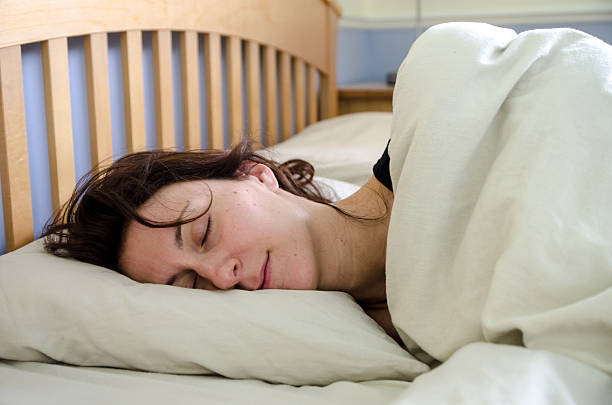
The key player here is Stage Two non-REM sleep. For a long time, scientists thought that most memory consolidation happened during REM sleep, the dream-rich phase. But recent research has flipped that idea on its head, especially when it comes to motor skills. Stage Two, which makes up about half of your total sleep time, is now recognized as the critical window where your brain replays and refines sequences of movements you practiced while awake.
Think of Stage Two as the night shift for your motor cortex. During this phase, your brain produces bursts of electrical activity called sleep spindles. These spindles are short, rhythmic pulses that act like a rehearsal stage for recently learned movements. Studies using brain imaging have shown that when people practice a new motor task—like tracing a shape in a mirror—their sleep spindles increase in frequency and intensity during Stage Two that night. And here’s the kicker: the more spindles you produce, the better your performance the next day. You don’t get worse overnight. You actually get better.
This process is called off-line learning. It means your brain is not just storing a memory. It is actively strengthening the neural pathways associated with those movements, pruning away unneeded connections, and making the sequence more efficient. If you’ve ever struggled with a new dance step, gone to sleep, and woken up able to do it more smoothly, you have Stage Two sleep to thank. The improvement happens without any conscious effort. Your brain practices while you rest.
There is also a fascinating link between Stage Two and dreaming. While vivid dreams are more common in REM, lighter dreamlike experiences can occur during Stage Two as well. These micro-dreams might be the brain’s way of integrating the motor learning with emotional or contextual cues. For example, you might dream about the piano keys you were struggling with, even if the dream narrative is bizarre. This connection helps anchor the skill in your long-term memory, making it less likely to fade.
For the average adult, the challenge is that modern life often shortchanges Stage Two sleep. Caffeine, alcohol, stress, and late-night screen time all reduce the depth and duration of this stage. Alcohol is especially sneaky because it puts you into a deep sleep quickly but then suppresses Stage Two and REM later in the night. If you’re trying to learn a new physical skill—whether for a hobby, a sport, or your job—skimping on quality sleep is like leaving your practice session unfinished.
So how can you protect your motor skill consolidation and make the most of Stage Two sleep? First, prioritize a consistent sleep schedule. Going to bed and waking up at the same time helps your body cycle through sleep stages naturally. Second, avoid heavy meals and alcohol within two hours of bedtime. Third, create a cool, dark, and quiet environment. The temperature of your room matters more than you think; a slightly cooler room—around 65 to 68 degrees Fahrenheit—helps maintain the right conditions for uninterrupted Stage Two. Finally, consider a cooling mattress or breathable sheets if you tend to overheat at night. Temperature regulation is not just about comfort. It directly supports the brain’s ability to maintain the delicate balance of sleep stages.
If you are serious about learning a new skill, treat your night’s sleep as the second half of your practice session. After you put down the guitar or step off the yoga mat, your brain takes over. It replays, refines, and saves that skill during Stage Two. So the next time someone tells you to “sleep on it,” remember that they are giving you scientifically sound advice. Your brain is not just resting. It is getting better.
Dream Blog
Real sleep talk for real people.


Blue Light's Specific Wavelength Damage

Jet Lag Vaccines Targeting The SCN