Motiv Ring The Discontinued Pioneer
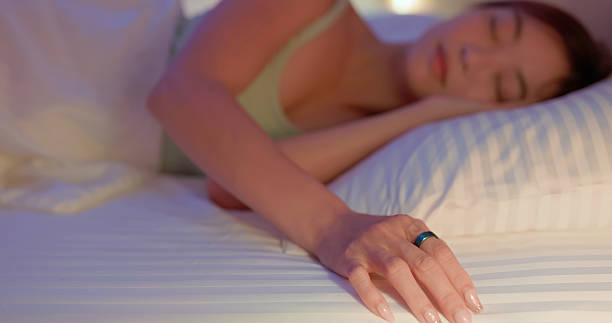
When Motiv launched in 2017, the smart ring market was barely on anyone’s radar. Most wearables were chunky fitness bands or smartwatches that screamed “I’m tracking my steps.” Motiv took a different approach. It looked like a simple, stylish metal ring—available in titanium or rose gold—and it could be worn 24/7 without drawing attention. That was the whole point: discreet tracking. You could sleep with it, shower with it, and go to work without anyone asking, “What’s that thing on your wrist?” For people who care about sleep quality but don’t want their bedroom turned into a data center, that kind of subtlety matters.
What made Motiv special for sleep tracking was its focus on heart rate and activity patterns, not just step counts. While you slept, the ring used an optical heart rate sensor to measure your resting heart rate and detect movement. From that data, it could estimate your sleep stages—light, deep, and REM sleep. It wasn’t as precise as an EEG used in a sleep lab, but for a consumer device that fit on your finger, it was surprisingly accurate. More importantly, Motiv presented this information in a simple, encouraging way. The app would tell you something like, “You got seven hours of sleep last night, with two hours of deep sleep. Your resting heart rate dropped to 58 beats per minute.” No jargon, no guilt. Just clear feedback that helped you connect your evening habits—like that late coffee or the hours spent scrolling your phone—with how you actually rested.
So why was Motiv discontinued? The company folded in 2020, and there were a few reasons. First, the wearable market was getting crowded fast. Apple, Fitbit, and others were adding sleep tracking to their devices, making it harder for a niche product to compete. Second, Motiv faced technical limitations. The ring’s battery lasted about five days, which was decent, but it required a proprietary charger. And because the ring was so small, there was no room for an SpO2 sensor or advanced temperature tracking—features that later smart rings, like the Oura Ring, would popularize. Finally, the one-size-fits-all approach didn’t work for everyone. Motiv offered six sizes, but getting the right fit was tricky, and people with wider fingers sometimes found the sensor placement off.
Despite its end, Motiv’s legacy lives on. It proved that Americans were willing to trade a wristful of data for a fingerful of quiet insight. It showed that sleep tracking doesn’t have to be obtrusive to be useful. In fact, the more discreet the device, the more likely you are to wear it through the night—and that consistency is what leads to real improvement in your sleep hygiene.
Today, if you’re looking for a smart ring for discreet tracking, you have options like the Oura Ring, the Ultrahuman Ring Air, or the Circular Ring. All owe a debt to Motiv’s original vision. They’ve added better sensors, longer battery life, and more robust sleep analytics, but the core idea remains the same: a small ring on your finger can tell you huge things about your rest.
For the SleepGoals reader, the takeaway is simple. The best wearable isn’t necessarily the one with the most features. It’s the one you actually wear. Motiv understood that. And while the ring itself is no longer sold, its philosophy—that less can be more when it comes to tracking your sleep—is a lesson worth holding onto. If you’re struggling with poor sleep, consider starting with a discreet device that fits your lifestyle. The data will follow, and so, hopefully, will better rest.
Dream Blog
Real sleep talk for real people.


When Do You Actually Need a Lab Sleep Study?

Resting Heart Rate Dip During Sleep