Minimalist Setup for Hot Climates
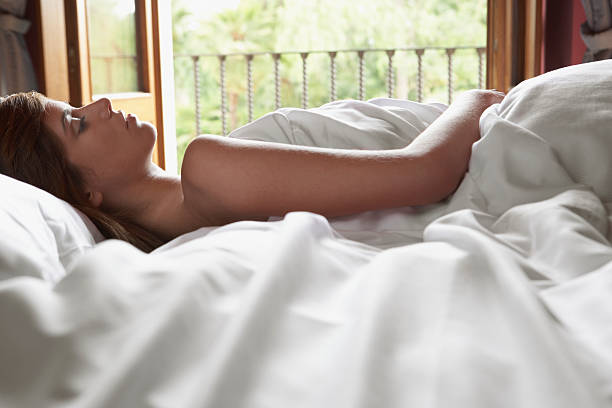
This is where the Bare Mattress Minimalist Movement comes into play. It is a philosophy of sleep that strips away the unnecessary. No heavy comforters. No plush mattress toppers. No flannel sheets, even in winter. For people in hot climates, the movement starts and ends with one crucial piece of gear: the cooling sheet. And when we say cooling sheet, we do not mean a sheet that feels cool to the touch for five minutes and then warms up to body temperature. We mean a sheet that actively works with your body’s natural thermostat all night long.
The science behind cooling sheets is actually quite simple. Your body temperature drops naturally as you fall asleep, and it stays lower during the deepest stages of rest. If your bedding traps heat, your body cannot complete that cooling process. You wake up more often, you spend less time in deep sleep, and you feel groggy the next day. Cooling sheets solve this by using materials that wick moisture away from your skin and promote airflow. The most effective options for hot climates are made from natural fibers like Tencel lyocell, bamboo-derived rayon, or high-quality long-staple cotton with a percale weave. These fabrics are breathable, absorbent, and dry quickly. They do not cling to your skin like microfiber or polyester.
But the Bare Mattress Minimalist Movement goes one step further. It suggests that you do not need a fitted sheet to sleep well. Many proponents in this community swear by sleeping directly on a cooling mattress protector or even on a bare cooling mattress cover. The reasoning is simple: every extra layer of fabric between you and the mattress adds heat. By removing even the fitted sheet, you maximize airflow and reduce heat retention. This might sound extreme, but for people living in Houston or Phoenix, it is a game changer. You wash the mattress protector weekly just like you would a sheet, and you enjoy a direct, cool surface that never bunches up or traps heat.
The real secret to making this work is choosing the right cooling sheet or protector. Look for fabrics with an open weave and a high thread count in a percale finish, not sateen. Percale is crisp and breathable, while sateen is smooth but dense. If you prefer a sheet, go with a set that has deep pockets to stay in place without a tight elastic band. And wash them in cool water with a mild detergent. Fabric softener and dryer sheets actually coat the fibers and reduce their ability to wick moisture away. You want your sheets to stay thirsty for sweat, not slippery from chemical residue.
For those who still want a thin blanket, choose a lightweight cotton or linen coverlet. Skip the duvet entirely. In a hot climate, a duvet is a heat trap. Instead, use a single flat sheet as your top layer. You can fold it in half or drape it loosely. The goal is to create a microclimate around your body that is slightly cooler than the room temperature. Your body will do the rest.
The Bare Mattress Minimalist Movement is not about deprivation. It is about efficiency. It is about recognizing that your sleep environment should work for your climate, not against it. By reducing your bedding to the bare minimum and investing in a high-performance cooling sheet or mattress cover, you can lower your room’s thermostat by a few degrees in your head and still sleep comfortably. You will wake up less, sweat less, and feel more rested. And that, for any adult in a hot climate, is the definition of a good night’s sleep.
Dream Blog
Real sleep talk for real people.

The Unexpected Versatility of Body Pillows for Better Sleep
The 3 AM Catastrophic Thought Spiral