Millie Pad Baby Movement Detection
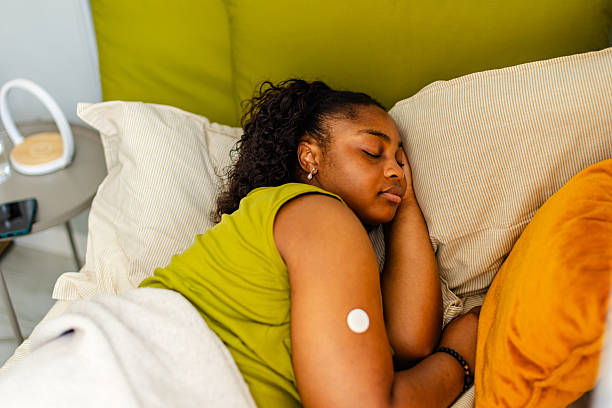
At first glance, calling the Millie Pad a “wearable” might seem odd. Wearables usually mean smartwatches, rings, or headbands you put on your body. But the Millie Pad achieves the same goal as the best wearables—real-time health data—without needing contact with skin. It works by detecting subtle pressure changes and micro-movements through the mattress. If your baby stops breathing, rolls into an unsafe position, or shows irregular movement, the pad sends an alert to your phone. This technology bridges the gap between wearable convenience and non-wearable safety. You don’t have to remember to charge a clip-on sensor or worry about your child pulling it off. The pad simply slides under the crib mattress and does its job silently.
Why does this matter for sleep? Because one of the biggest causes of poor sleep for new parents is hypervigilance. Your brain keeps you in a light sleep stage, ready to jump up at the slightest noise. This is exhausting. The Millie Pad lets you trust the data instead of your ears. When you know the sensor is monitoring for respiratory movement, you can actually sink into deeper, more restorative sleep cycles. That means you wake up less often, feel less groggy, and have more patience during the day. It’s not just about baby safety—it’s about optimizing your own sleep as a caregiver.
The science behind this is straightforward. Infants have immature respiratory systems, and movement detection is a reliable proxy for breathing. The pad uses pressure sensors to detect the rise and fall of the chest and abdomen as your baby breathes. If no movement is detected for a set time (usually 20 seconds), the alarm sounds. This is similar to how the best sleep-tracking wearables for adults measure breathing rate and body movement to determine sleep stages. But instead of a wristband that might slip off, the Millie Pad stays put. It’s a non-moving, non-toxic solution that fits seamlessly into a nursery.
For parents already using wearables to track their own sleep, adding the Millie Pad creates a complete family sleep ecosystem. You can compare your sleep quality scores to your baby’s sleep patterns, noticing trends like whether a later bedtime leads to more fussy nights. The companion app logs all movement, sleep duration, and wake-ups. Over time, you learn what works. Maybe white noise helps your baby sleep deeper, or a different swaddle reduces startles. This data turns guesswork into actionable insights.
Of course, no device replaces medical supervision. The Millie Pad is not a medical tool—it’s a monitoring aid. But it provides that extra layer of reassurance that lets parents relax. In a world where American adults are already chronically sleep-deprived, anything that helps a parent claw back even an hour of quality sleep is worth considering. The pad also supports safe sleep guidelines, because it doesn’t add blankets, pillows, or loose items into the crib.
Looking toward the future of sleep technology, under-mattress sensors like the Millie Pad represent a shift toward invisible, ambient monitoring. The best tools are the ones you forget are there. You don’t strap your child into anything. You don’t attach wires. You just slide a pad under the mattress, download an app, and sleep a little easier. That’s the promise of non-wearable wearables—they give you the benefits of tracking without the burden of wearing something.
For American parents juggling work, household chores, and childcare, this kind of straightforward tech is a relief. You don’t need to become a sleep scientist. You just need a tool that whispers “everything’s fine” so your brain can finally power down. The Millie Pad does exactly that. It monitors the most important movement—your baby’s—so you can get back to the most important movement for you: falling asleep.
Dream Blog
Real sleep talk for real people.

The Cool Sleep Advantage: Why Lowering Your Body Temperature Signals Deep Rest

3M Medical Tape Versus Hostage Tape