How Smart Masks and Light Wearables Can Help You Sleep Better
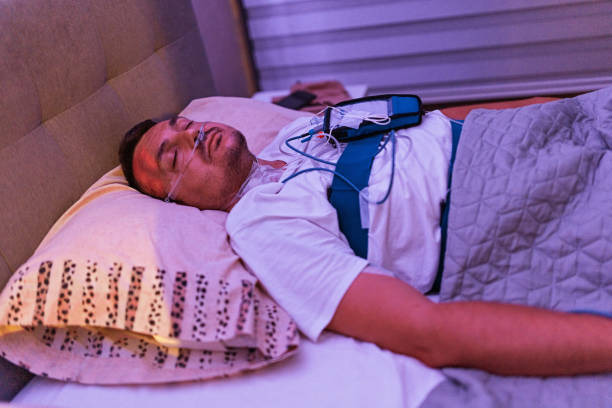
Smart masks look similar to the sleep masks you might use on a red-eye flight, but they do a lot more than block out light. Many are padded with soft fabric and contour around your eyes so they don’t put pressure on your lashes or skin. Inside, they pack tiny speakers, sensors, and sometimes even heating elements. Some play gentle audio like ocean waves or a low hum, while others use vibration to nudge you awake at the optimal moment in your sleep cycle. The most advanced models track subtle eye movements and even brainwave activity through sensors placed near your temples. They can tell whether you are in light sleep, deep sleep, or REM sleep, and then adjust sound, light, or temperature to encourage more restorative stages.
One major benefit of smart masks is waking up at the right time. We all know the feeling of an alarm ripping you out of a deep dream at 6:30 in the morning. That grogginess can last for hours. Smart masks work differently. They monitor your sleep and wait for a light stage of sleep to trigger your wake-up. Instead of a harsh beep, they may use a gradually brightening light inside the mask or a soft vibration. This can make mornings feel more natural and less jarring, even if your wake-up time is earlier than your body would prefer.
Light wearables take a different approach. Instead of covering your eyes, they shine bright light at them. You may have heard of light therapy boxes used for seasonal affective disorder. The wearable version looks something like sleek futuristic glasses. You put them on in the morning, and the lenses emit bright, blue-enriched light into your eyes. This light signals to your brain that it is daytime, which suppresses melatonin and boosts alertness. Using them for twenty to thirty minutes after waking can help shift your circadian rhythm earlier. That is especially useful in winter months when morning sunlight is scarce, or after time zone travel when your body clock is thrown off.
Light wearables can also be used in the evening, though with a different lens or light setting. Some models use amber or red light that does not interfere with melatonin production. Wearing them before bed can create a wind-down effect while still letting you read, watch television, or move around the house. Unlike a phone or tablet, which bathes your face in stimulating blue light, these devices are designed to help you transition to sleep.
Where smart masks and light wearables really shine is in their effect on your internal clock. Your body runs on a roughly twenty-four-hour cycle called the circadian rhythm. It is controlled by the suprachiasmatic nucleus, a tiny region in the brain, and it responds strongly to light exposure. When you get bright light at the right time of day, your brain sets its clock more accurately. That means you feel sleepy at bedtime and alert in the morning. Morning light exposure from a wearable can anchor this cycle. Evening light from a mask can also help if you tend to wake up in the middle of the night and need a gentle cue to go back to sleep.
These tools are not a cure-all, though. They work best when paired with consistent sleep schedules, a cool dark bedroom, and a regular wind-down routine. If you are scrolling through your phone right before bed or drinking coffee late in the afternoon, no mask or light gadget will fix that. But for someone who already practices good sleep hygiene and still struggles with jet lag, shift work, or early morning grogginess, these wearables can be a powerful addition.
The technology is still evolving, and experts expect future versions to be even smarter. Imagine a mask that learns your breathing patterns over time and adjusts gentle sounds to match your sleep stages. Or light glasses that automatically change color based on your personal circadian rhythm data from your phone. As the science of sleep continues to advance, these small wearable devices are becoming a practical bridge between lab research and everyday life.
The best approach is to treat smart masks and light wearables as tools, not magic. Give them a fair trial for at least a couple of weeks. Keep your sleep schedule steady, use the devices consistently, and pay attention to how you feel during the day. For many people, the result is worth it: falling asleep more easily, sleeping more deeply, and waking up feeling genuinely rested.
Dream Blog
Real sleep talk for real people.

Can an AI Sleep Coach Really Improve Your Rest?