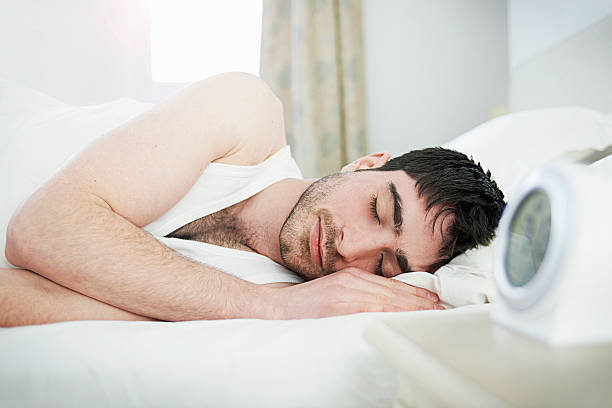
How Lack of Sleep Ages Your Skin

Your skin operates on a circadian rhythm just like the rest of your body. During deep sleep, your body releases growth hormone, which is essential for repairing and regenerating skin cells. This is the time when damaged cells are replaced, collagen production ramps up, and inflammation from the day’s sun exposure, pollution, and stress is soothed. Without enough sleep, this repair process is cut short. Over time, collagen breaks down faster than it can be rebuilt. Collagen is the protein responsible for your skin’s structure and firmness. When it degrades, lines become deeper, skin sags, and that plump, youthful appearance fades. Studies have shown that even a few nights of poor sleep can reduce collagen production and increase markers of skin aging, making you look older than your actual age.
Cortisol, the stress hormone, plays a starring role in this aging drama. When you are sleep-deprived, your body pumps out more cortisol. While cortisol is helpful in short bursts, chronically high levels break down collagen and elastin, the fibers that keep skin tight and bouncy. Elevated cortisol also disrupts the skin’s natural moisture barrier, causing it to lose water more easily. This leads to dryness, flakiness, and a lackluster complexion that makes every line and texture more noticeable. You might find yourself reaching for heavier moisturizers, but no cream can fully compensate for the internal damage caused by ongoing sleep loss.
Inflammation is another silent culprit. Poor sleep increases systemic inflammation, which shows up on your face as redness, puffiness, and a dull tone. Inflammatory markers like C-reactive protein rise when you are not sleeping enough, and this chronic low-grade inflammation speeds up the aging process at a cellular level. It can also aggravate skin conditions like acne, eczema, and rosacea, making them harder to manage. Your skin’s ability to heal from minor wounds, like a paper cut or a blemish, slows down significantly when you are tired. This means breakouts linger longer and scars become more prominent.
Hydration is also tied to sleep. While you sleep, your body balances fluid levels and reduces swelling under the eyes. When you miss sleep, fluid pools in the lower eyelids, creating those dreaded dark circles and puffiness. Dehydration from poor sleep also makes the skin thinner and more transparent, so blood vessels underneath become more visible, contributing to a tired, aged appearance. Over weeks and months, this repeated fluid imbalance can lead to permanent changes in skin structure around the eyes.
The good news is that you can reverse much of this damage by prioritizing quality sleep. It is not about expensive creams or complicated routines. It is about giving your body the time it needs to repair itself naturally. Start by aiming for consistent bedtimes and wake times, even on weekends. Keep your bedroom cool, dark, and quiet. Avoid screens for at least an hour before bed, because blue light suppresses melatonin, the hormone that signals it is time to sleep. Invest in a supportive mattress and pillows that keep your spine aligned and reduce pressure on your face. Consider cooling sheets if you tend to sleep hot, because heat disrupts deep sleep stages. Wearables can help you track your sleep patterns so you can identify what is working and what needs adjustment.
When you consistently get the sleep your body demands, your skin responds visibly. You will see a brighter complexion, fewer fine lines, and less puffiness. Your skin becomes more resilient to stress and environmental damage. The importance of sleep goes far beyond feeling rested it is one of the most powerful tools you have for maintaining a youthful, healthy appearance. At SleepGoals, we believe that every hour of deep sleep is an investment in your health and your future. So tonight, put down the phone, turn off the news, and let your skin do what it does best while you rest. Your future self, and your reflection, will thank you.
Dream Blog
Real sleep talk for real people.

The Rise of Personalized Sleep Stacks
The Amazon Halo Rise Wake Light