Dri-Fit Style Bedsheets Pros Cons
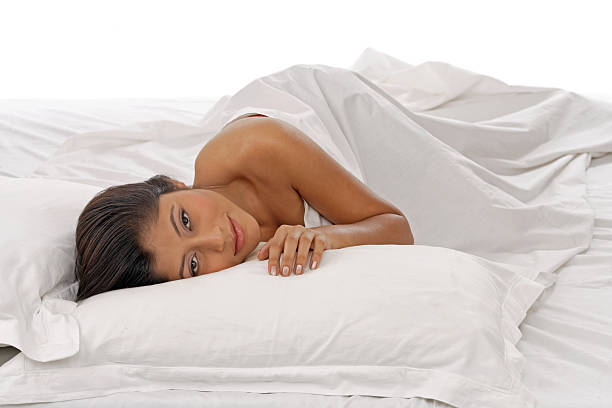
The primary selling point of Dri-Fit style bedsheets is their ability to pull moisture away from your skin. Unlike cotton, which absorbs sweat and holds it against your body like a damp sponge, performance fabrics are engineered with hydrophobic fibers that wick liquid to the outer surface of the sheet. There, the moisture spreads out and evaporates quickly. This process is called capillary action, and it’s the same reason your running shirt dries fast after a wash. For people who sleep hot, this can be a game-changer. Instead of waking up in a clammy puddle, you stay drier throughout the night, and your body temperature stays more regulated. Many users report that these sheets feel cooler to the touch initially, and that cooling sensation can last longer when combined with proper airflow in the bedroom.
Another advantage is durability. Dri-Fit fabrics are typically made from synthetic blends like polyester, nylon, or microfiber. These materials resist shrinking, wrinkling, and fading better than natural fibers. They also tend to be lightweight and easy to wash. For busy adults who don’t have time for delicate laundry routines, that convenience is a real bonus. You can toss them in the machine on a cold cycle and tumble dry low, and they come out looking nearly new. Some brands also incorporate antimicrobial treatments to reduce odor, which is a nice touch if you tend to wake up with a sweaty pillow.
However, there are notable downsides to consider. The most common complaint about Dri-Fit style bedsheets is that they can feel slippery or plastic-like. That smooth, slick finish might not be to everyone’s taste, especially if you prefer the soft, breathable feel of high-thread-count cotton or linen. Some people find that the sheets slide around on the mattress, requiring frequent adjustments. Additionally, while these sheets are excellent at wicking moisture, they can trap heat if the fabric isn’t designed with enough airflow. Lower-quality polyester blends may actually make you feel warmer because they don’t breathe as well as natural fibers. The key is to look for sheets labeled as “cooling” or “breathable” rather than just “moisture-wicking,” and to check for details like open weaves or mesh-like constructions.
Another factor to keep in mind is static cling. Synthetic fabrics are more prone to static electricity, especially in dry climates or during winter months when indoor heating reduces humidity. This can make the sheets cling to your pajamas or your skin, which many sleepers find annoying. And while these sheets are easy to care for, they are not biodegradable. If sustainability is important to you, the plastic-based composition of Dri-Fit fabrics is a significant drawback compared to organic cotton, bamboo, or linen.
So, who should consider Dri-Fit style bedsheets? They tend to work best for hot sleepers, people with night sweats due to menopause or medications, and anyone living in warm, humid climates where staying dry is a constant challenge. Athletes or active individuals who want to maintain a cooler core temperature throughout the night may also appreciate the performance focus. On the other hand, if you prefer a crisp, natural feel or have sensitive skin that reacts to synthetics, you might be better served by a high-quality cotton percale or a Tencel sheet set.
Ultimately, Dri-Fit style bedsheets offer a targeted solution for a specific problem: staying dry and cool when your body heats up at night. They aren’t a magic bullet for everyone, and they come with tradeoffs in texture and environmental impact. But for the right sleeper, they can make the difference between a restless night and a refreshing morning. If you’re struggling with night sweats and haven’t found relief with traditional bedding, it might be worth trying a set for a few weeks. Your sleep goals are unique, and sometimes a touch of performance technology is exactly what your bed needs.
Dream Blog
Real sleep talk for real people.


Adrenaline Surges During Sleep Apnea Events

Fitbit Luxe for Minimal Jewelry