Decoding Your Brain Waves: How EEG Headbands Personalize Sleep
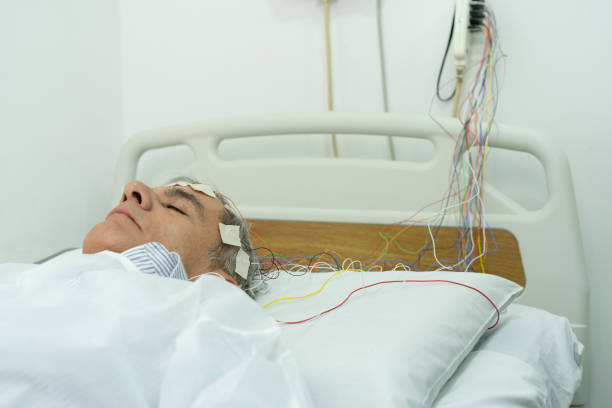
EEG stands for electroencephalography, a technology that has been used in hospitals and sleep labs for decades. Traditionally, getting an EEG meant a technician gluing dozens of sticky electrodes to your scalp and spending the night in an unfamiliar clinic bed. Not exactly a recipe for a natural rest. The new generation of consumer headbands has shrunk that whole setup into something you can wear to your own pillow. Some use small metal contacts pressed against your forehead. Others use flexible sensor strips. A few even use dry electrodes that need no gel or paste at all. You charge the headband, put it on before bed, and wake up to a detailed map of your sleep architecture.
What makes these devices so valuable is their ability to see the difference between sleep stages with real neurological data. Your brain does not simply switch from awake to asleep like flipping a light switch. It cycles through light sleep, deep sleep, and REM sleep several times each night. Each stage has a distinct brainwave signature. Delta waves dominate deep sleep, while faster theta and alpha waves appear during lighter stages. REM sleep produces patterns that look surprisingly similar to being awake. A wrist tracker infers these stages from motion and heart rate variability. An EEG headband watches the actual waves. That distinction matters, especially if you want to know whether you are getting enough of the restorative deep sleep that repairs your body or the REM sleep that consolidates your memory and mood.
Using an EEG headband at home can also reveal patterns that surprise people. For example, you might have a “sleep score” of 90 on paper, but the headband shows you spend over an hour in a state that looks like light sleep right after you fall asleep. Maybe that afternoon coffee is still lingering in your system, even if you feel fine. Or perhaps you notice that your deep sleep peaks in the first half of the night and drops significantly after 3 a.m., which could point to stress hormones or room temperature issues. With this kind of feedback, you can experiment with simple changes like moving your dinner earlier, adjusting your bedroom temperature, or using white noise. Then you can see, in your brainwave data, what actually works.
Of course, no consumer device is perfect. EEG headbands are not medical devices, and their algorithms can make errors. They typically use fewer sensors than a clinical EEG, so they might misclassify a brief waking moment or blend two sleep stages together. They also only measure the frontal region of the brain. Still, the information they provide is far richer than what you get from a motion-based tracker. The best approach is to treat the headband as a personal coach rather than a judge. Use it to spot trends over weeks, not to obsess over any single night. A poor night here or there is normal. The headband helps you see the bigger picture and gives you actionable clues.
Another advantage is that EEG headbands can pair with other features like gentle audio alerts. Some devices are designed to detect when you are in a light sleep stage and then play soft sounds to guide you back to deeper rest, without fully waking you. Others use the same technology to help you fall asleep faster by guiding your brain into a calm, alpha-wave state through a process called neurofeedback. For people who struggle with racing thoughts at bedtime, this can be a game changer.
It is also worth noting that EEG headbands are not just for people with diagnosed insomnia. Many busy adults use them to optimize their already decent sleep, hoping to gain a little more energy, sharper focus, or better athletic recovery. The data can be genuinely interesting, like noticing that your deep sleep duration increases after a hard workout or that your sleep latency shrinks when you read paper books instead of scrolling on your phone. That kind of cause-and-effect insight turns sleep from a vague habit into a measurable pillar of health.
If you decide to try an EEG headband, give yourself a few nights to get used to the feel of it. Some people need a week before they stop noticing it entirely. Charge it during the day, connect it to the accompanying app, and make sure it fits snugly but comfortably. Then be patient. The first morning, you might feel overwhelmed by the graphs and percentages. After a week, you will start to see a narrative. That is when the real magic happens. You are no longer guessing. You are listening to your brain, and it is telling you exactly what it needs to give you the best sleep of your life.
Dream Blog
Real sleep talk for real people.


The Back Sleeper Alignment Sweet Spot

Histamine Blockers and Daytime Drowsiness