Box Breathing for Instant Calm
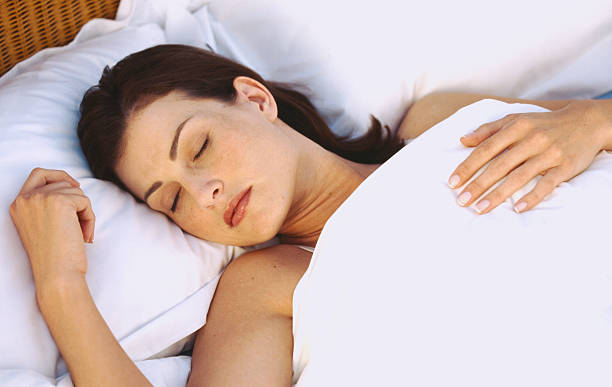
Box Breathing is also known as square breathing or four-count breathing. The name comes from its structure: you breathe in for four counts, hold for four counts, breathe out for four counts, and hold again for four counts. Each phase acts like one side of a box, creating a steady, predictable rhythm. The beauty of this method lies in its simplicity. You do not need any equipment, apps, or special pillows. You only need a quiet moment and your own breath. For someone struggling to quiet a racing mind at night, Box Breathing is like a reset button.
The science behind Box Breathing is rooted in how your autonomic nervous system works. When you are stressed or anxious, your sympathetic nervous system dominates. Your heart rate increases, your breathing becomes shallow, and your body prepares for action. This is excellent for dodging danger, but terrible for falling asleep. Box Breathing directly activates your parasympathetic nervous system, the branch responsible for rest and relaxation. By deliberately slowing and holding your breath, you stimulate the vagus nerve, which runs from your brain stem down to your abdomen. This nerve acts like a brake pedal for your heart rate and stress response. Within just a few cycles of Box Breathing, your heart rate variability shifts, blood pressure begins to drop, and your body receives a clear signal that it is safe to power down.
To practice Box Breathing for sleep, start once you are in bed, with the lights dimmed and screens off. Lie on your back with your hands resting gently on your stomach or at your sides. Close your eyes. Exhale completely to empty your lungs. Then, slowly inhale through your nose for a count of four. Feel your belly rise. Hold that breath for a count of four. Do not clamp your throat or strain. Simply pause. Then, exhale through your mouth or nose for a count of four, letting your belly fall. Finally, hold your lungs empty for a count of four. Repeat this cycle for two to five minutes. If your mind wanders to work or worries, gently bring your attention back to the counting. You are not trying to force sleep; you are just giving your brain a single, simple task.
What makes Box Breathing especially effective for a wind-down routine is its ability to interrupt the cycle of pre-sleep anxiety. Many people lie in bed and immediately start analyzing problems or planning the next day. This mental activity raises cortisol levels, the primary stress hormone, which makes sleep elusive. Box Breathing provides a focal point that is boring enough to calm the mind but structured enough to prevent it from wandering into stress territory. Over time, your brain learns to associate that four-count rhythm with the onset of rest. You are essentially conditioning yourself, night after night, that this breathing pattern means sleep is coming.
If you find the four-second hold uncomfortable at first, you can shorten it. Some beginners start with two or three counts and gradually build up. The goal is not to endure discomfort but to find a rhythm that feels calming. You can also experiment with extending the exhale to six counts while keeping the inhale at four. A longer exhale is particularly soothing for the nervous system. What matters most is consistency. Use Box Breathing every night as the final step in your wind-down routine, after you have brushed your teeth, put on cooling sheets, and adjusted your pillow. Pair it with a dark, cool room, and you have a powerful combination.
Beyond sleep, Box Breathing offers immediate benefits for daytime stress. It can help you reset during a hectic workday, calm pre-meeting jitters, or cool down after an argument. But its truest gift is for the night. When you master Box Breathing, you no longer have to simply hope for sleep. You have a reliable tool to guide your body there, on command. American adults face enormous pressure to be productive, connected, and always on. Sleep is often the first thing sacrificed. Box Breathing reminds us that the answer is not more effort, but a gentle, controlled pause.
Dream Blog
Real sleep talk for real people.

Fevers and The Recovery Sleep Environment

Why Your Heart Needs Those Eight Hours