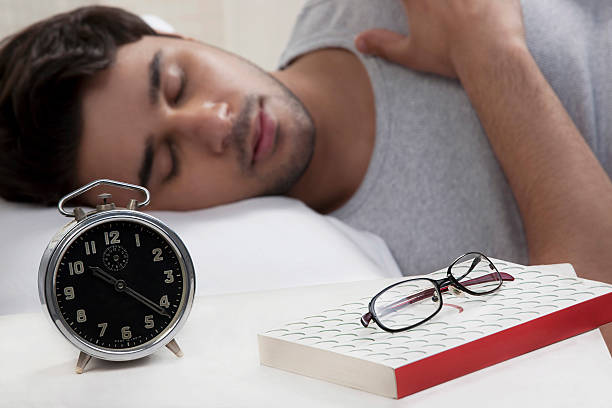
Big Dinners Versus Small Evening Snacks

First, let’s talk about what happens when you eat a large dinner close to bedtime. Your digestive system is designed to work hard, but it’s not designed to work hard while you’re trying to fall asleep. A big meal—especially one high in fat, protein, or fiber—requires hours of processing. This means your stomach, liver, and intestines stay active long after you’ve finished eating. That activity sends signals to your brain that it’s time to be alert. Your body temperature rises slightly, your heart rate may increase, and blood flow is diverted to your gut rather than your muscles and brain. All of these are the opposite of what you need for deep, restorative sleep. Additionally, large meals can trigger acid reflux or indigestion, which is a common cause of nighttime awakenings. If you’ve ever woken up with a burning sensation in your chest or a sour taste in your mouth, you know exactly what this feels like.
On the other hand, a small evening snack can actually support sleep. The key is timing and composition. A light snack eaten about an hour before bed can provide the building blocks your brain needs to produce sleep hormones. For example, foods that contain tryptophan—an amino acid found in turkey, dairy, nuts, and seeds—help your body produce serotonin and melatonin. A small bowl of yogurt, a banana with a tablespoon of almond butter, or a handful of cherries can gently nudge your system toward sleepiness. Carbohydrates can also help by making tryptophan more available to the brain. So a small slice of whole-grain toast with a little honey or a few whole-grain crackers with cheese can be a smart choice. The goal is to keep the total calories low—around 150 to 200 calories—so that digestion is quick and doesn’t interfere with sleep.
But here’s where it gets tricky. Not all snacks are created equal. A heavy plate of nachos or a sugary bowl of ice cream is not the same as that banana with nut butter. Large amounts of sugar can spike your blood sugar, then cause it to crash in the middle of the night, waking you up. Spicy foods can raise your core body temperature, making it harder to fall asleep. Caffeine in chocolate or late-night coffee is an obvious enemy. And alcohol, while it might make you feel drowsy at first, actually disrupts your sleep cycles and leads to more nighttime awakenings. So if you’re going to snack, choose wisely.
The practical takeaway for American adults is this: think of your evening meal as a chance to fuel your sleep, not fill your stomach. If you can, aim to finish your last real meal at least three hours before you lie down. That gives your body time to digest most of the food before you shift into sleep mode. If you’re still hungry before bed, go for that small, balanced snack. Listen to your body. If you notice you sleep better on nights when you eat lighter, that’s a powerful clue that your dinner size is affecting your rest. You don’t have to be a pauper at dinner—just a little smarter. Small changes in what and when you eat can lead to big improvements in how deeply and refreshingly you sleep. And that, after all, is what SleepGoals is all about.
Dream Blog
Real sleep talk for real people.


Elevating Legs to Redistribute Fluid
Sleep and Emotional Attunement: How Rest Keeps Your Relationships Resilient