Adrenaline Surges During Sleep Apnea Events
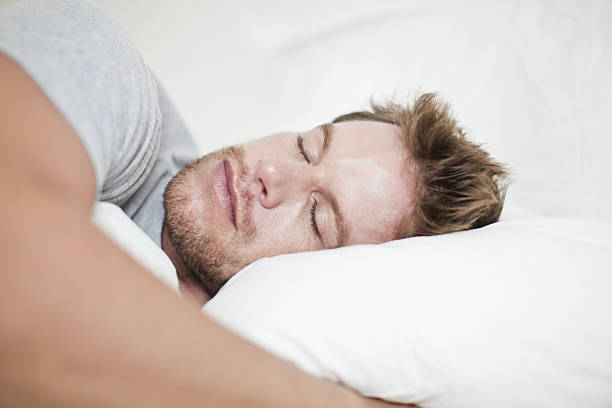
To understand this response, we have to step into the world of the autonomic nervous system. Your body has two main settings: the rest-and-digest mode controlled by the parasympathetic system, and the fight-or-flight mode driven by the sympathetic system. During normal sleep, your body leans heavily into the rest-and-digest side. Your breathing becomes shallow and rhythmic, your heart rate slows, and your blood pressure drops. This is the physiology of repair. But when you have obstructive sleep apnea, your airway is blocked by relaxed throat muscles, and that calm is shattered.
The moment your oxygen levels begin to fall, sensors in your carotid arteries and brainstem detect trouble. They send an urgent signal to your hypothalamus, the command center for stress. In response, your sympathetic nervous system fires up like a fire alarm. Adrenaline and its cousin noradrenaline flood into your bloodstream from the adrenal medulla. These hormones are designed for one purpose: survival. They cause your heart to beat faster and harder, forcing blood through your arteries to deliver whatever oxygen remains to your brain and muscles. Your blood vessels constrict to raise your blood pressure, and you inhale with a violent, reflexive gasp that often wakes you just enough to open your airway.
This whole process lasts only a few seconds, but its effects linger. Each adrenaline surge during an apnea event is like a small, involuntary sprint. Your body wasn’t designed to run that race over and over. In a typical case of moderate sleep apnea, a person may experience 15 to 30 such events per hour. Multiply that across a full night, and you have hundreds of micro-alarms. Each one releases a fresh dose of these powerful hormones. Your body remains in a state of low-grade sympathetic activation even when you aren’t gasping, because your brain never fully trusts that the next breath will come easily.
The consequences go far beyond feeling tired the next day. Chronic, repeated adrenaline surges during sleep put extraordinary strain on your cardiovascular system. Research has shown that people with untreated sleep apnea have a significantly higher risk of developing high blood pressure, atrial fibrillation, heart attack, and stroke. The constant spikes in blood pressure and heart rate wear down the lining of your arteries. Over time, this can lead to atherosclerosis, where plaque builds up and narrows your vessels. Additionally, the elevated nighttime levels of stress hormones disrupt the body’s natural cortisol rhythm. Normally, cortisol peaks in the morning to help you wake up, but with apnea, it can stay elevated all night, leaving you wired even when you are exhausted.
What can you do about these midnight jolts? The first step is recognizing the signs. If you wake up gasping, choking, or with a racing heart, especially if you snore loudly or your partner has noticed pauses in your breathing, talk to your doctor. A simple overnight sleep study or a home sleep test can confirm whether sleep apnea is the culprit. The most effective treatment remains continuous positive airway pressure, or CPAP therapy. By delivering a steady stream of pressurized air through a mask, CPAP splints your airway open so it never collapses. When your airway stays open, your oxygen stays stable, the alarm signals never fire, and your body can finally settle into the deep rest it has been missing. For some, oral appliances or positional therapy can also help reduce or eliminate apnea events.
The science of sleep reminds us that what we cannot feel can still harm us. Those invisible adrenaline surges are not a sign of strength; they are a sign that your body is fighting for air. When you take control of your sleep apnea, you prevent thousands of these stress responses every night. You let your heart rest, your blood pressure drop, and your brain stop sounding the emergency siren. You reclaim the deep, peaceful sleep that is your body’s birthright. And that is the true goal of sleep: not just lying down, but truly resting, without a single midnight jolt.
Dream Blog
Real sleep talk for real people.

Circular Ring Slim Battery Life
Replacing Every 18 Months Rule